Why AI Is Reshaping Sales in 2026
You show up every day ready to sell. You make the calls. You handle the objections. You chase the leads. But somehow, the results don’t match the effort.

The pressure to hit quotas keeps climbing while teams shrink. Actually, that feeling is common in 2026, and there is a reason why.
AI tools for sales have gone from experimental to essential. The numbers back this up. According to recent data, 78% of organizations globally have adopted AI, and the economic impact is projected to hit $15.7 trillion. In B2B sales specifically, 54% of sales teams already say AI tools have increased their efficiency. That is more than half of your peers getting an edge while you wonder if the hype is real.
Here is the thing. The market for AI tools has matured fast. What used to be expensive, clunky software for big corporations is now accessible to individuals and small teams. You can get predictive lead scoring, real-time coaching during calls, and automated outreach sequences without a six-figure budget. Top companies are investing heavily. 59% are spending at least $1 million annually on AI, and the ones doing it well expect revenue growth 60% higher than their peers by 2027.
But you do not need to be a big company to benefit. If you are a solo sales professional or part of a small team, the right ai agent for sales can fix the problems that slow you down the most.
This listicle zeroes in on three pain points you know well:
- Inconsistent performance that makes your income unpredictable.
- Objection overload where every call feels like a battle.
- Information overload from too many leads, too much data, and not enough clarity.
The tools we cover here are proven to help. And if you are still building the rest of your sales stack, check out our guide to the top CRM software for sales growth in 2026 as a complement.
Ready to stop guessing and start closing with confidence? Let us walk through the best AI tools that make that possible. Browse more articles for additional strategies to sharpen your skills.
1. Predictive Lead Scoring Platforms – Stop Wasting Time on Cold Leads
You know the feeling of chasing a lead for weeks only to hear “not interested.” That wasted effort kills your momentum and hurts your income. Predictive lead scoring solves that problem by using AI to rank leads based on how likely they are to buy. The tool looks at past deal data, email opens, website visits, and firmographic signals to give each lead a score.

These platforms can boost your lead qualification accuracy by 30% to 50%, according to research on top AI lead scoring tools. That means you spend your time on contacts who are ready to talk, not cold names on a list. For B2B sales reps, tools like HubSpot Predictive Lead Scoring and Salesforce Einstein learn from your own history to spot patterns you might miss. If you use LinkedIn Sales Navigator for prospecting, some platforms can pull those signals into their scoring model.
How to pick the right one for you:
- Individual rep: Look for a tool that plugs into your existing CRM and gives simple, daily priority lists. You don’t need advanced features. Just clear next steps.
- Small team: Choose a platform that lets you customize scoring rules and share lead rankings across your group. You want everyone aligned on which leads to call first.
Predictive scoring turns the chaos of lead generation into a clean, daily plan. When you stop wasting time on cold leads, your closing rate naturally climbs. If you are serious about fixing inconsistent performance, contact us to find the right training and resources for your sales stack.
2. AI-Powered Prospecting and Enrichment Engines – Fill Your Pipeline Faster
Manual prospecting eats up hours. You search LinkedIn, cross-check websites, and guess email formats. It’s slow, boring, and steals time from actual selling. AI-powered prospecting and enrichment engines change that. They scan public data, identify ideal prospects, and automatically fill in missing contact details like phone numbers and job titles.
These tools can cut your manual research time by up to 70%, according to a 2026 review of top AI lead generation tools. Instead of digging for hours, you get a clean list of ready-to-contact leads. This is one of the most valuable ai tools for sales because it directly feeds your pipeline with warm leads.
Popular platforms in 2026 include Apollo.io, Clay, and ZoomInfo.

They act like an ai agent for sales, automatically enriching records so you never call a wrong number or email a former employee. If you already use Sales Navigator for prospecting, many of these tools can pull that data into their enrichment workflows.
What works best for you:
- Solopreneur: Choose a platform with a free or low-cost tier, like Apollo’s starter plan. You need basic enrichment and a simple export to your email tool.
- Small team: Pick a tool like Clay that lets you build custom enrichment sequences and share lists across your group. This keeps your lead generation services consistent.
Once your data is clean, a solid CRM helps you track every touchpoint. Check out our guide on top CRM software for sales growth to find the right fit for your workflow.
If you are ready to spend less time researching and more time closing, explore our sales training articles for techniques that turn enriched leads into signed deals.
3. Conversational AI for Cold Outreach – Get More Replies Without Sounding Robotic
So you have a clean list of enriched leads. Now what? You need to reach out without sounding like a robot. This is where conversational AI changes the game.
In 2026, the average cold email reply rate hovers around 3.43%, according to the 2026 Cold Email Benchmark Report. That is not great. But here is the thing: top performers who use signal personalized outreach see reply rates of 15 to 25%. That is a massive difference. Tools that use natural language generation (NLG) make this possible.
These ai tools for sales craft personalized cold emails and LinkedIn messages at scale. They look at a prospect’s recent activity, job change, or company news. Then they generate a message that feels like you wrote it just for them. No more copy-paste templates. No more generic greetings.
Here are a few ways conversational AI helps you get replies:
- Email coaching in real time: Tools like Lavender analyze your draft and suggest better subject lines and message structure to increase your chances of a response.
- Multichannel outreach automation: Platforms like Reply.io let you set up sequences that combine email, LinkedIn, and even phone calls. The AI adjusts the timing and tone based on how the prospect replies.
- AI voice assistants for cold calls: These tools handle the initial script and even respond to common objections. They keep a natural, human like tone so the conversation flows smoothly.
A key part of using these tools is staying compliant. The best platforms in 2026 include built in checks for GDPR and CAN SPAM rules. They help you avoid fines and maintain trust with your prospects.
When you combine conversational AI with a solid CRM, your entire outreach workflow becomes faster and more effective. You can learn more about setting up your tech stack in our guide to top CRM software for sales growth.
If you are ready to turn cold outreach into warm conversations, check out our sales training articles for techniques that help you close more deals once the reply comes in.
4. Real-Time Sales Coaching and Objection Handling Assistants
So your conversational AI got the reply. Now it is time for the call. This is where many sales reps freeze up. A prospect throws an objection you did not expect. Your mind goes blank. That used to be the moment deals died. Not anymore.
In 2026, ai tools for sales include real-time coaching assistants that listen to your calls and whisper suggestions right in your ear.

Think of it like having your best sales manager sitting next to you on every call, except this one never gets tired and remembers every rebuttal that ever worked.
How these assistants work:
They use natural language processing to follow the conversation. When the prospect says something like "Your price is too high," the tool instantly pulls up the most effective objection handling scripts from your top performers.
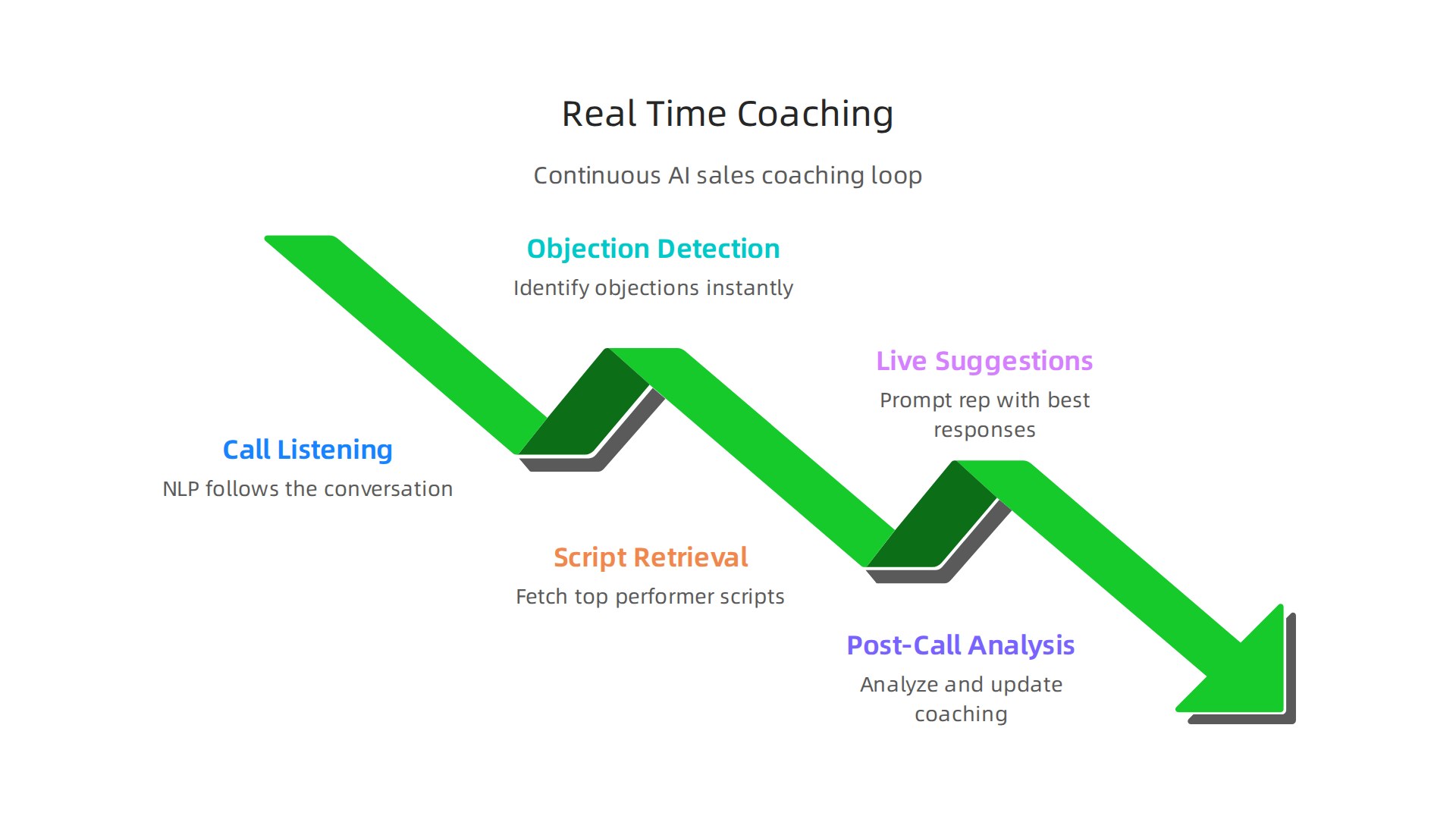
It suggests the next sentence before you even need to think.
For example, platforms like Outreach with its Kaia assistant give live prompts based on the conversation flow. A 2026 review of top sales engagement platforms notes that enterprise teams rely on these features to boost consistency across reps (source: Amplemarket’s analysis of 10 tested platforms).
Post-call analysis that actually helps you grow
After the call ends, the ai agent for sales generates a full report. It highlights moments where you could have handled an objection better and shows you exactly what the top rep said in similar situations. It also points out your strongest rebuttals so you can repeat them.
This is a game changer for beginners and career switchers. You get instant feedback without waiting for a manager to sit in on your calls. Over time, these tools build your confidence fast. You learn to handle tough questions naturally because you have practiced them dozens of times with help from the AI.
Why this matters for your team
When you add real-time coaching to your b2b sales workflow, your reps close more deals and feel less stressed. They stop dreading difficult calls and start seeing objections as opportunities.
If you want to improve your one on one selling skills even further, check out our guide on soft skills training that boosts sales performance. It covers active listening and rapport building techniques that pair perfectly with AI coaching.
Ready to turn every call into a learning opportunity? View Articles for more ways to sharpen your sales approach in 2026.
5. AI-Enhanced CRM – Your Central Nervous System for Sales
You just finished a great call with real-time coaching. Now what? In the past, you had to manually log every detail and update the pipeline. That took forever.
In 2026, ai tools for sales turn your CRM into a smart assistant that does the boring work for you. These AI-enhanced CRMs automatically capture activities from calls, emails, and meetings. They log everything without you typing a word.
But the real magic is what they do next. The ai agent for sales inside your CRM predicts which deals will close this month.
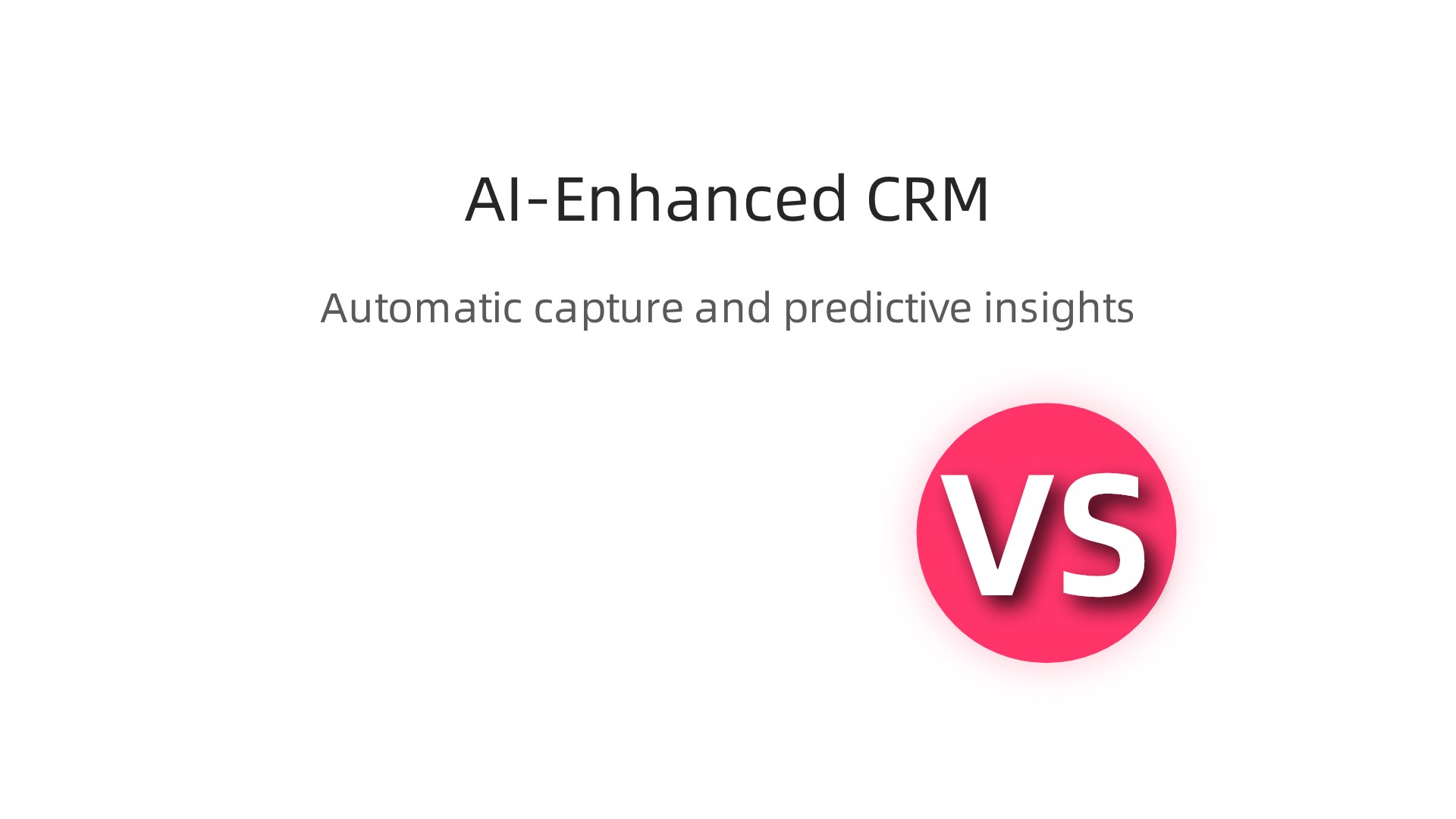
It flags deals that need attention. And it tells you exactly what to do next. Should you send a follow-up email? Schedule a demo? The system recommends your best action based on data from your top performers.
This changes everything for b2b sales teams. Instead of spending hours on data entry, you spend that time selling. For solo reps and small teams, affordable AI-CRM options exist. A 2026 analysis shows that AI helps small teams offload redundant tasks with automation (source: monday.com’s guide to 8 AI CRMs). Platforms like HubSpot, Salesforce Einstein, and Zoho CRM with Zia lead the market for small businesses

(source: Nutshell’s comparison of the best AI CRMs).
When you connect your AI-enhanced CRM with other ai tools for sales, you get a unified system that powers your entire day.
If you want to see which CRM fits your team, check out our guide on top 10 CRM software for sales growth in 2026.
View Articles for more ways to build a smarter sales workflow.
6. Predictive Analytics for Forecasting and Pipeline Management
Once your AI-enhanced CRM is logging everything, the next step is to look ahead. Predictive analytics uses your sales data to forecast what will happen next. The ai agent for sales inside your system analyzes past wins and losses to predict deal closure probability. It flags at-risk opportunities before they slip away. It also suggests the best time to follow up with a prospect.
This kind of foresight reduces guesswork. You set realistic sales targets based on data, not hope. For b2b sales teams, it means fewer surprises and more closed deals. You can even combine it with lead generation services to score incoming leads by likelihood to convert.
Small teams don’t need a data scientist to use predictive analytics. Many ai tools for sales offer built-in forecasting that works out of the box. Platforms like HubSpot, Salesforce Einstein, and Zoho CRM with Zia provide these insights in a simple dashboard. According to a 2026 guide by Capsule CRM, tools like these are top for productivity (source: Capsule CRM’s ranking). Another analysis from Stackby lists leading AI CRMs for business growth, many of which include predictive features (source: Stackby’s top 10 AI CRMs). The key is to pick a tool that fits your workflow and gives you clear actions.
If you want to see which CRM offers the best predictive features for your team, check our guide on top 10 CRM software for sales growth in 2026.
View Articles for more ways to sharpen your sales forecasting.
7. AI Content Generators for Sales Proposals and Presentations
Writing a sales proposal or pitch deck from scratch takes hours. You have to research the prospect, tailor your message, and make sure everything looks professional. But what if an ai agent for sales could do that for you? In 2026, AI content generators can create personalized proposals, case studies, and presentations in minutes. You just feed in prospect data, and the tool drafts something ready to customize. This saves you time and keeps your messaging consistent across every deal. According to a 2026 guide from Prospeo, AI sales content generation tools help teams scale outbound fast by automating proposal creation
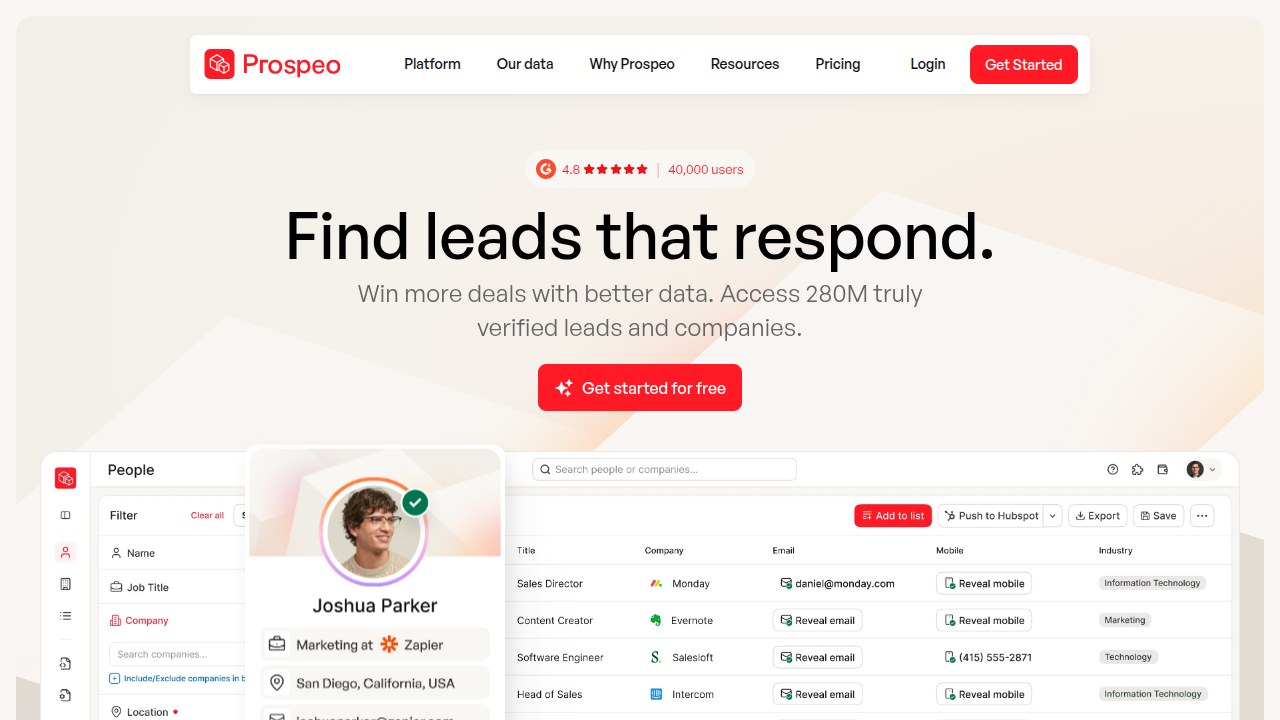
(source: Prospeo’s AI Sales Content Generation guide).
These ai tools for sales don’t just write text. They also pull in your CRM data, match your brand voice, and even A/B test different versions to see what gets more responses. For b2b sales teams, this means you can send tailored proposals to multiple prospects without manual effort. Some platforms, like those listed in Creatio’s glossary, generate emails, sales offers, and case studies from the same system (source: Creatio’s AI for Sales glossary). Others focus specifically on proposal writing, with tools like Copy.ai and Jasper leading the pack in 2026 (source: Earlybird’s best AI tools for proposal writing). Many of these tools also connect with your lead generation services, pulling in prospect details automatically to make each proposal feel handcrafted.
The best part? You don’t need a big team to use these tools. Even solo sellers can automate proposal creation and focus on closing deals instead of writing documents. If you combine AI content generation with a solid CRM, you can create a seamless workflow from lead to signed contract. To see which CRM works best with AI tools, check our guide on choosing the best CRM software for sales growth. And if you want to explore more ways to improve your sales process, view our other articles for actionable tips.
8. Social Selling and Engagement Analytics AI
Have you ever shared a post on LinkedIn and got just a few likes? Or spent hours commenting on prospects’ updates without getting a single reply? That happens to a lot of us. But here’s the good news: ai tools for sales can now take the guesswork out of social selling. In 2026, these tools monitor social signals like comments, shares, and profile visits to spot buying intent before you even reach out.
Think of it as having an ai agent for sales that watches your LinkedIn activity and tells you who is ready to talk. It tracks when a prospect engages with your content or the content of your competitors. Then it suggests the perfect time to send a message. Some tools even recommend what to post and what topics will get the most attention from your audience. This is huge for b2b sales teams and solo entrepreneurs alike.
Here’s what a good social selling and engagement analytics tool can do for you:
- Identify buying intent from LinkedIn engagement and other social signals.
- Schedule and optimize posts so you reach the right people at the right time.
- Suggest content that resonates with your target accounts.
- Measure audience response so you know what works and what doesn’t.
If you manage your own social selling, these tools replace hours of guesswork with data. You stop wasting time on posts that fall flat. Instead, you focus on the leads that are already warm. Many of these tools also connect with Sales Navigator to pull in even richer data about your prospects.
For example, the Prospeo guide on AI sales content generation shows how these tools help teams scale outbound fast by automating parts of the social selling process (source: Prospeo’s AI Sales Content Generation guide). And when you combine social analytics with a solid CRM, you create a smooth pipeline from social engagement to closed deal. To see which systems work best, check out our list of top CRM software for sales growth.
Social selling doesn’t have to be a shot in the dark. AI helps you hit the mark every time. And if you want to dive deeper into building a modern sales process, view our other articles for more practical tips.
9. Automated Meeting Scheduling and Follow-Up Workflows
You know that back and forth dance of finding a meeting time? "How about Tuesday at 2?" "No, can you do Wednesday at 10?" "What about Thursday?" It eats up hours. In 2026, ai tools for sales eliminate this headache completely.
Here’s how an ai agent for sales handles scheduling for you:
- Coordinates calendars across you and your prospect automatically
- Handles time zones so you never book a 3 AM call by accident
- Sends smart reminders that reduce no-shows
- Suggests the best times based on past behavior and availability
But the real magic happens after the meeting. The best tools start automated follow-up sequences based on what your prospect does. Did they open your proposal? Click a link? The AI triggers the next email or call at the perfect moment. This natural flow keeps deals moving without you having to chase manually.
For solopreneurs and small b2b sales teams, this is a game changer. Many platforms offer free or low cost options too.

Tools like Motion and others now work as AI executive assistants that schedule your entire day, not just meetings (source: best AI scheduling tools for solopreneurs). You get the power of a full support team without the payroll.
The best part? These scheduling tools integrate directly with your CRM. That means every booked meeting and every follow up action gets logged automatically. No more manual data entry. No more forgetting who needs what. To see how a solid CRM supports this whole process, explore our list of top CRM software for sales growth.
ai tools for sales turn scheduling from a chore into a smooth, automatic part of your workflow. You focus on closing. The AI handles the calendar.
And if you want to keep learning about ways to simplify your sales process, view our other articles for more practical tips.
10. AI-Powered Data Cleanup and CRM Hygiene
Here’s a frustrating situation you know well. You’re about to send a personalized follow up to a hot lead. You click send, and it bounces. Wrong email. Or you check your CRM and find three copies of the same contact with different phone numbers. Bad data kills sales productivity. In 2026, ai tools for sales solve this problem automatically.
AI powered cleanup tools scan your entire CRM and do the boring but critical work:
- Deduplicate records so you have one clean profile per person
- Standardize fields like job titles, company names, and phone formats
- Update stale contacts by cross referencing public data sources
- Flag invalid emails before they damage your sender reputation
For small b2b sales teams, this is a massive time saver. You don’t need a data entry person or a dedicated admin. The ai agent for sales running in the background keeps your database fresh without any manual effort. Many of the same AI tools that handle scheduling (like those tested for solopreneurs) also include data hygiene features (source: 9 Best AI Tools for Solopreneurs in 2026).
The impact goes beyond organization. Clean data means better email deliverability. When you send to valid, updated addresses, your open rates stay high and spam flags drop. Your reporting becomes accurate too because you’re not counting dead leads.
To get the most out of AI cleanup, you need a CRM that supports these integrations. Check our guide to choosing the best CRM software for sales growth to find one that works with modern AI tools.
Ready to stop wrestling with messy data? Contact us for help setting up a clean, AI maintained CRM that lets you focus on closing deals.
Summary
This article explains why AI has moved from hype to must-have for sales teams in 2026 and walks through the specific AI tools that actually change outcomes. It covers predictive lead scoring, prospecting and enrichment engines, conversational outreach, real-time call coaching, AI-enhanced CRMs, forecasting, automated proposal generation, social selling analytics, scheduling, and CRM data cleanup. The piece shows how these tools reduce manual work, improve reply and close rates, and make performance predictable for solo reps and small teams as well as enterprises. You’ll learn what each category does, which use cases deliver the biggest ROI, and practical buyer guidance for choosing tools that plug into your existing stack. After reading, you’ll know which AI capabilities to prioritize, how they fit into a modern sales workflow, and the next steps to start automating repetitive tasks so you can spend more time closing deals.