
Master Price Negotiation to Achieve Peak Sales Performance and Profit

Why mastering price negotiation will change your sales performance
Have you ever finished a sales call feeling like you left money on the table? Maybe you closed the deal, but only after cutting your price. Or perhaps a good prospect walked away because you couldn’t agree on terms. It’s a common story. Many sales professionals face inconsistent closes, pressure to give big discounts, and a feeling that the true value of their product or service is getting lost. This often happens because they don’t have strong price negotiation skills.
In 2026, the sales world moves fast, and customers are smarter than ever. They often come ready to haggle, which can make it tough to protect your profits. Without clear sales strategies and techniques, you might end up giving away too much just to close a deal. This can hurt your company’s bottom line and make you feel less confident in your abilities. Experts agree that strong negotiation skills are key for sales success today, helping you keep your value high and win more deals without constant discounting 2026 Playbook – Prospeo.
But what if you could change that? What if you had simple, repeatable tactics to handle price talks like a pro? This article will show you how. We’ll give you actionable frameworks that make price negotiation easier to understand and use. We’ll also cover important document best practices, like creating a clear price negotiation memorandum, so everyone knows the terms. Our goal is to equip you with methods that help you close more deals, protect your profit margins, and feel good about every sale. Think of it as a playbook for success in 2026, helping you master key sales techniques Sales Playbook: What It Is, How to Build One, and How to Make It Stick.
Ready to stop guessing and start closing with confidence? Learning to lead your sales team effectively is also crucial for overall growth. You can discover more about building strong sales teams by checking out our guide on management right sales: the proven system for predictable growth.
For individuals and small sales teams, knowing how to handle price talks isn’t just a nice skill to have. It’s truly vital for how much money you make and how well your business grows.

When you don’t master price negotiation, you might be leaving a lot of money on the table.
How Negotiation Affects Your Paycheck and Goals
Think about your commission. Every time you lower a price more than you need to, your commission shrinks. It’s that simple. If you usually get a percentage of each sale, giving a big discount means you earn less. This isn’t just about one sale, though. It adds up.
It also makes hitting your sales quota harder. If your goal is to sell $100,000 worth of products and you keep giving 10% discounts, you now have to sell more products to reach that $100,000 mark. That means more work for the same goal. Good price negotiation skills help you protect your earnings and hit your targets without extra effort. Actually, it can make it easier to meet your goals.
Beyond your immediate earnings, strong negotiation builds long-term client value. When clients see you as someone who stands firm on value, they respect your product or service more. Giving too many discounts can make them think your offering isn’t worth its original price. This can hurt future sales or make them expect discounts all the time. Learning effective sales strategies and techniques helps show your true worth.
Why Small Teams and Solo Sellers Feel More Pressure
If you work alone or in a small team, the pressure to cut prices can feel even stronger. Here’s why:
- Every deal counts a lot: For a large company, losing one deal might not be a huge problem. But for a solo seller or a small team, each lost sale can really hurt your income and slow down growth. This makes it tempting to give big discounts just to close the deal.
- Fewer resources: Small teams often don’t have a large support system. There might not be a sales manager to step in or a big marketing budget to create a lot of new leads. This means you might feel more desperate to hold onto every single prospect.
- Less formal training: Sometimes, individuals and small teams don’t have access to paid training programs or free sales negotiation training that larger companies offer. They might not have a clear playbook of sales strategies and techniques to follow. This lack of structure can make them feel unsure during price talks.
In 2026, the business world still faces "persistent cost pressures," as a report from the Incentive Research Foundation points out, making skilled negotiation more important than ever to keep your business strong and profitable The IRF 2026 Trends Report.
Having a plan, like knowing how to write a simple price negotiation memorandum, can help even small operations stay strong. This kind of document helps everyone know the agreed-upon terms and conditions.
Building these skills helps you feel more confident. If you’re looking to really boost your skills and grow as a sales professional, consider how good leadership can fuel sales growth. You can explore more about this topic by learning about fuel sales growth with leadership mentoring for sales people.
Strong price negotiation starts long before you ever talk about prices. It begins with good preparation.

When you prepare well, you feel more sure of yourself and get better deals. It truly helps your sales strategies and techniques.
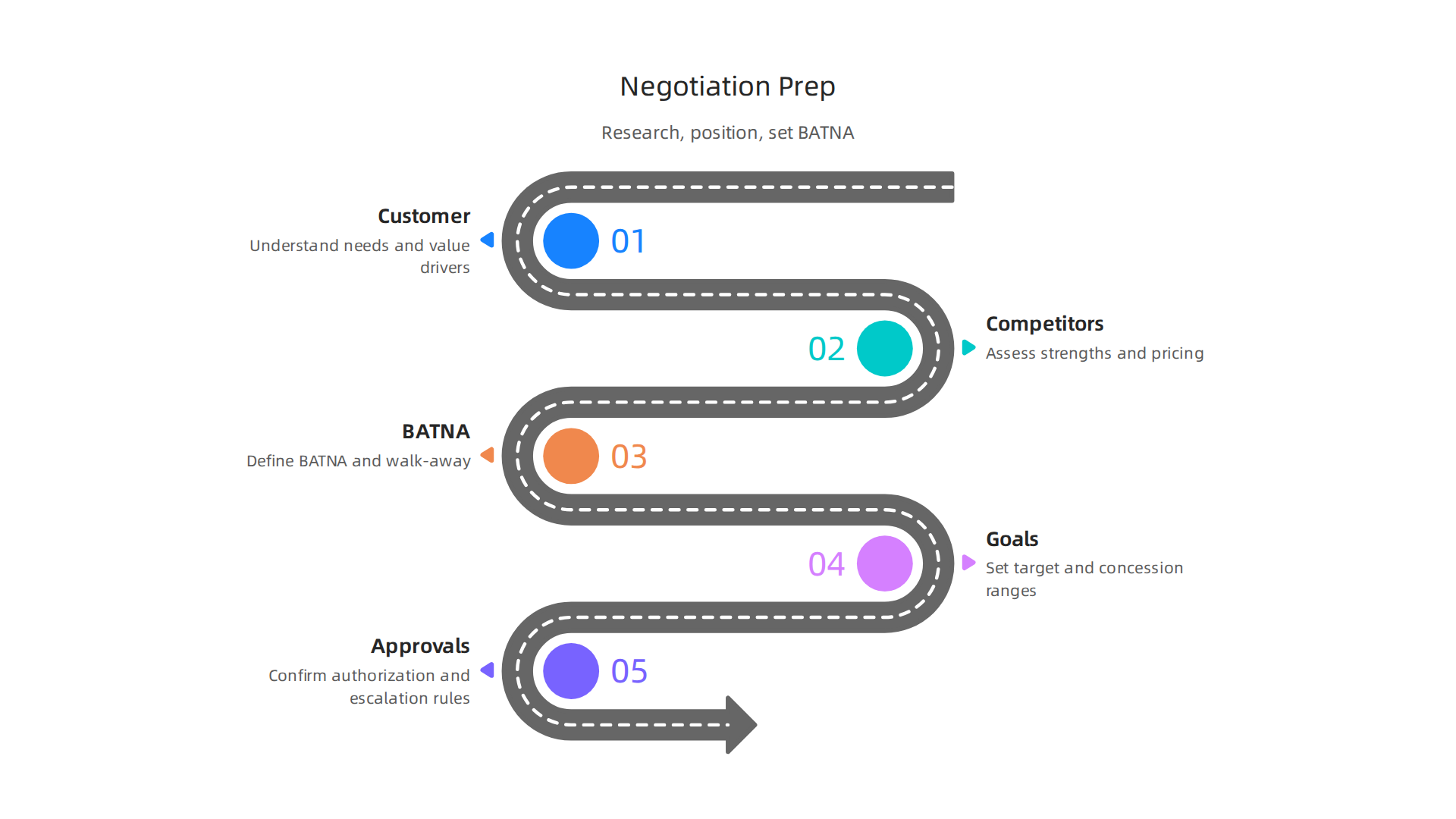
Know Your Customer
First, you need to be a detective. What does your client really need? What problems are they trying to solve with your product or service? How much money do they have to spend, or what is their budget?
Gathering all this information helps you show exactly how your product or service helps them. It’s like having inside knowledge, and studies show that sharing the right information can really affect how talks go [The Effects of Information Disclosure on Negotiated Outcomes]. Understanding them helps you make a strong case for your price. This is a core part of effective sales techniques.
Know Your Competitors
Next, look at what other companies are charging for similar products. How is your product better or different than theirs? This is called your unique value, and it’s what makes you stand out.
Knowing this helps you explain why your price is fair and what makes you special. You can then position your offer correctly in the market.
Know Your "Walk-Away" Plan
Before any talks begin, ask yourself a very important question: What will I do if we can’t agree on a price? This is your "Best Alternative to a Negotiated Agreement," often called your BATNA. It’s simply your plan B.
If you know what you’ll do if the deal falls through, you won’t feel pressured to take a bad offer. This makes your position in any price negotiation much stronger.
Set Your Goals and Limits
Having clear goals is vital for successful price negotiation.
- Clear Objectives: What’s the best price you hope to get? What extra features or services can you offer to add value without lowering your main price too much? Write these down.
- Minimum Acceptable Terms: What is the lowest price you can accept without losing money or hurting your business? This is your absolute bottom line. You need to know it to protect your earnings and keep your business healthy [Negotiation Skills for Sales: 2026 Playbook]. This kind of detailed planning is often a key part of a good sales playbook.
Understand Approval Rules
For some deals, especially if you’re thinking about big discounts or special terms, you might need someone else to say "yes" before you can agree. These are your internal approval rules.
Even if you’re a solo seller, you need to decide what kinds of deals you can approve for yourself and at what price. Having a clear process, perhaps even a simple price negotiation memorandum, helps keep everyone on the same page and ensures your sales strategies and techniques are consistent across all your deals [How to Ensure Consistent Negotiation Positions Across Deals].
Using a good customer relationship management (CRM) system can help you track these details and keep all customer information organized.
This is essential for consistent sales growth and preparing for any price negotiation. If you’re looking for tools to help, you can learn more about how to choose the best CRM software.
Taking the time for this preparation before any price negotiation makes a huge difference. It gives you confidence, helps you protect your profits, and leads to better results for everyone involved. It’s a key part of mastering sales strategies and techniques in 2026.
When you talk about prices, it’s not just about the numbers. It’s also about how people feel about those numbers.

Understanding what goes on in a buyer’s mind can make a big difference in your price negotiation. Let’s look at a few simple ideas from buyer psychology.
See the Value, Avoid the Loss, and Mind the First Number
People want to feel like they are getting a good deal. They want to see the real value in what you offer. This means showing them how your product or service helps them, solves their problems, or makes their life better. If they see a lot of good coming their way, the price seems fair.
Here’s another important idea: people often feel the pain of losing something more strongly than the joy of gaining something new. This is called "loss aversion" [Loss aversion – The Decision Lab]. If a customer thinks they might miss out on benefits or solutions by not buying, that feeling can push them to say yes. This bias really influences how customers react to any price changes [Loss Aversion in Pricing: Why Customers Fear Price Increases].
Then there’s "anchoring." This means the very first price or number a person hears often sticks in their mind like an anchor.
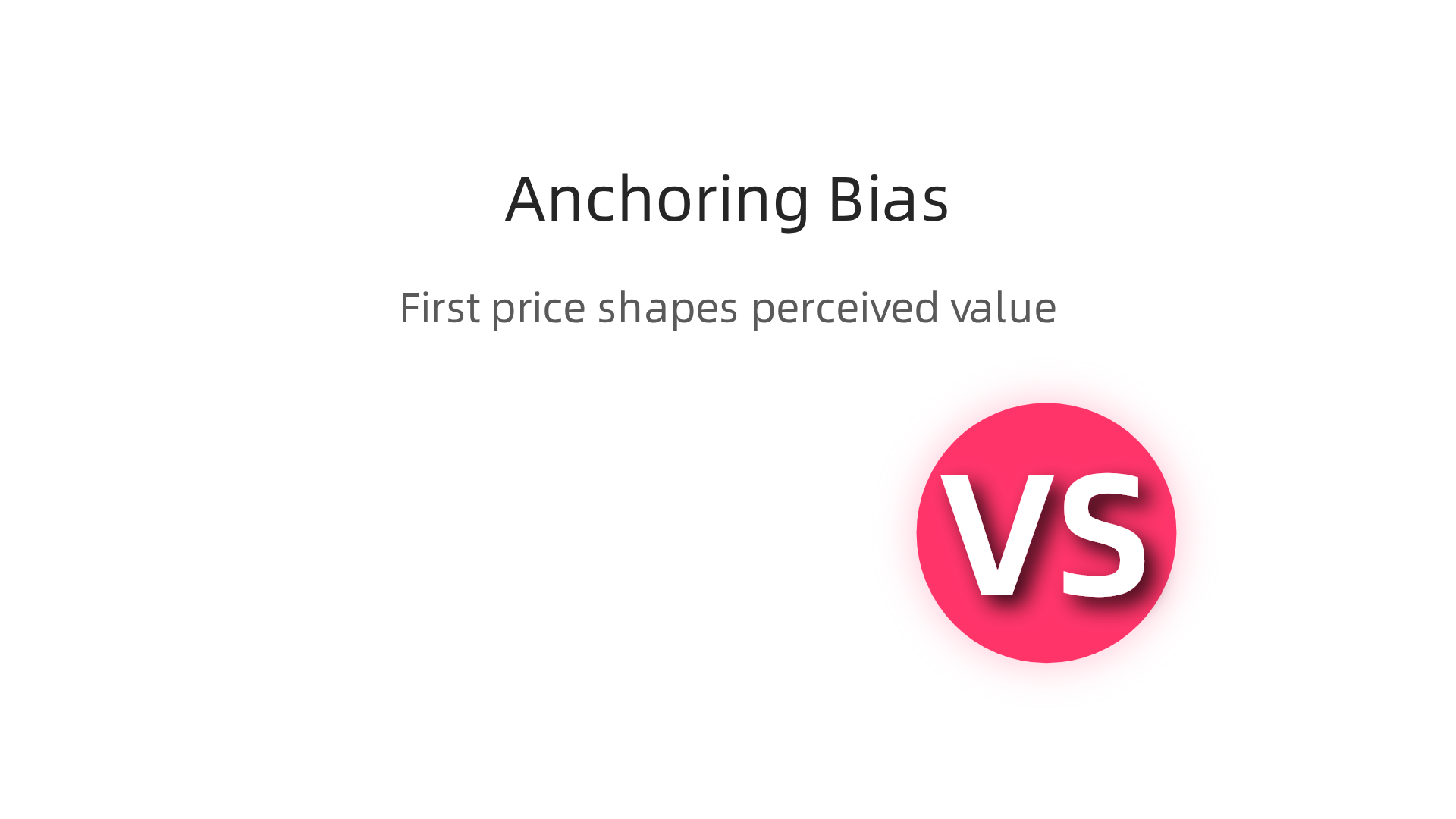
After that, all other prices are compared to that first number [Effect of Anchoring and Framing on Price Perception Among … – IJFMR]. You can use this by presenting a slightly higher price first, even if you think you might settle for less. This makes your actual, lower offer seem more fair or like a better deal later on [Price anchoring: Unlock growth with behavioral pricing]. People tend to rely heavily on this first bit of information when making decisions [The Effects of Anchoring Bias on Human Behavior – Nelson University].
Talk About Outcomes, Not Just Features
Instead of just listing features, like "Our product has a super-fast engine," talk about the results or outcomes. Say, "Our super-fast engine will save you two hours every day, which means you’ll have more time for important tasks or even your family." That’s showing the real outcome.
You should also explain how your product helps them save money or make more money in the long run. This is like showing their "Return on Investment," or ROI. It helps them see beyond the sticker price and understand the bigger picture of what they gain. Shifting the conversation this way moves the focus from "how much does it cost?" to "how much will I gain or save?" This is a powerful part of effective sales strategies and techniques.
Learning these insights into buyer psychology can truly boost your ability to handle any price negotiation. If you want to dive deeper into improving your sales performance, consider how to achieve peak sales performance with the transformational leadership model. It’s all about making the client see the full picture of value.
Now that you know a little about how buyers think, let’s talk about some real-world actions. These are simple but powerful price negotiation tactics that can help solo sellers and small teams get better deals in 2026.
Practical Tactics for Price Negotiation
You don’t need a big sales team to use smart sales strategies and techniques. Here are some ideas:
- Anchoring, Revisited: Remember how the first number people hear sticks in their minds? Use this to your advantage. Start your price negotiation by presenting an offer that is a bit higher than what you expect to get. This makes your actual target price seem much more reasonable and attractive later on. It sets a higher "anchor" in their mind from the start [Negotiation Skills for Sales: 2026 Playbook – Prospeo].
- Package Offers: Instead of selling just one thing, try putting a few things together into a special bundle or package. When you offer a package, the buyer sees more value for the overall price. It can make individual items seem cheaper and the total deal more appealing.
- Conditional Concessions: If a customer asks for a lower price, don’t just say yes right away. Instead, say something like, "I can offer you X, if you can agree to Y." For example, "I can give you a small discount if you sign up today" or "I can add this extra feature if you agree to a longer contract." This way, you don’t just give things away; you get something in return, too [Making Concessions in Negotiation: Best Practices – PON].
- Time-Limited Incentives: Sometimes, people need a little push to make a decision. Offering a special price or an extra bonus that is only available for a short time can encourage them to act quickly. This creates a sense of urgency that can help close the deal.
How to Use Prepared Responses and Smart Questions
Being ready is half the battle in any price negotiation.
- Scripted Responses: It’s a great idea to think about what you’ll say before you say it. Having ready-to-use "scripts" for common questions, tough objections, or different pricing scenarios can make you feel more confident and in control during sales calls

[Sales Call Scripts That Convert in 2026 – MarketBetter.ai]. Many sales experts suggest having these prepared responses as part of a sales playbook for small teams. This kind of preparation is one of the top sales tactics to master in 2026, as discussed by experts like Santa and his elf [Santa Unwraps 12 Sales Tactics You NEED to Master in 2026].
- Calibrated Questions: Instead of just saying "no" to a low offer or getting stuck, ask smart questions. Questions that start with "How" or "What" are very useful. For example, "How does that price work for your budget?" or "What are you hoping to achieve with that figure?" These questions help you understand the other person’s thinking without making them feel defensive. They open up the conversation.
- Value-Based Counters: When a customer pushes for a lower price, always bring the conversation back to the value you offer. Remind them of all the benefits, outcomes, and solutions your product or service provides, not just the cost. This helps them see the bigger picture and justifies your price.
Using these tactics can greatly improve your success in price negotiation. For solo sellers and small teams, having a clear strategy and knowing what to say can make all the difference. To really build a strong foundation for sales success and stay competitive in 2026, it’s wise to learn more about comprehensive strategies.
Want to make sure you’re always ready for any sales challenge? Achieve peak sales performance with the transformational leadership model.
Now that you know some clever ways to talk about prices, let’s look at how your documents and offers can help you even more. Writing things down correctly is a huge part of good price negotiation. It makes sure everyone is on the same page and helps you protect your worth.
Documents & proposals: structuring offers to reduce price pushback
When you put together an offer, it’s not just about the price tag. How you present that offer in a proposal can make a big difference. Think of your proposal as a roadmap for the buyer. A good proposal clearly shows what you are offering and why it’s the best choice. When a client sees a clear and strong proposal, they are less likely to argue about the price you’ve set, because the value is plain to see. In fact, many successful offers contain the best terms from the start, both in price and what they offer to do for the client, which helps win the contract according to experts in 2026.
One smart way to structure your offer is to include optional add-ons. This means you show a basic package and then list extra services or features that the client can choose to add for a little more money. This lets them customize their deal and still feel like they are getting a good choice, without you having to lower your main price.
Also, be very clear about your payment terms. Your proposal should clearly say how and when you expect to be paid. This helps avoid confusion later and keeps your cash flow steady.
Finally, your contract is your protector. It makes sure that you and your client agree on exactly what work will be done. This is important because it stops "scope creep." Scope creep happens when a client starts asking for more and more work that wasn’t part of the original deal, without wanting to pay extra.
To prevent this, your contract should include:
- A very clear list of all the services or products you are providing.
- Defined rates for any work that falls outside of the original agreement. This means if they ask for more, they know what the added cost will be 1.
- How long the contract lasts and if there are ways to renew it 2.
- The exact price terms, like a fixed monthly fee, so there are no surprises 3.
Having a full agreement on all contract terms from the start is the best way to do business in 2026 4. It locks in the value and helps you avoid future price negotiation headaches. By preparing these documents well, you show professionalism and protect your business, making your sales strategies and techniques much stronger. For solo sellers and small teams, getting organized with these kinds of details can be a game-changer.
If you’re looking to choose the right tools to manage all these documents and client interactions, you might find it helpful to explore resources on choosing the best CRM software. Having a good system helps keep everything organized and supports your price negotiation efforts.
- Request for Proposal RFP 202526-4 Information …
- Request for Proposals (RFP) – TCAT
- Report on Contract Negotiations 2026 All Source Request … – OPUC
- CONTRACT MANAGEMENT HANDBOOK – UT System
Even with the clearest proposals, clients might still have questions or push back on your price. This is a normal part of price negotiation. It’s when you show your true skills in handling these moments without giving away too much. Many successful sales strategies and techniques involve knowing how to respond when a client asks for a lower price or has doubts.
Handling Objections: A Simple Plan
When a client raises an objection, it’s an chance to learn more about what they really need. Here’s a simple way to deal with their concerns, also called triaging objections:
- Clarify: First, make sure you really understand what they are saying. Ask questions like, "Can you tell me more about that concern?" or "What exactly makes you feel that way about the price?" Understanding helps you address the real issue, not just what they say at first.
- Validate: Show them you’ve heard and understood their point. Say things like, "I understand why that might be a concern," or "Many clients ask about that." This shows respect and builds trust.
- Probe: Dig a little deeper. Ask open-ended questions to find the root cause. For example, if they say "It’s too expensive," you might ask, "Compared to what?" or "What parts of the cost are you most worried about?" This helps you uncover their true needs or fears. This kind of deep understanding is a core sales tactic for 2026 1.
- Respond: Now that you know the real problem, offer a solution or explanation. Focus on the value your offer brings and how it solves their specific concerns. For instance, if they worry about cost, you might remind them about the long-term benefits or the time it will save them.
Think of it like being a good listener. When you listen well and respond thoughtfully, clients are less likely to keep pushing for lower prices. You can learn more about handling different types of pushback by exploring resources like "60 Minutes of Objection Handling That’ll Explode Your Sales in 2026" 2.
Smart Ways to Make Concessions and Counteroffers
Sometimes, to close a deal, you might need to give a little. These are called concessions. But you should do it smartly so you don’t lose your profits. Experts say that the pain of losing something feels twice as strong as the joy of gaining something 3. This is called "loss aversion" 4, and it means people really don’t like to give things up once they feel they have them. Keep this in mind during price negotiation.
Here are ways to make concessions that protect your margin:
- Sequencing: Don’t give everything at once. Offer small concessions first. This makes the client feel like they are getting a good deal without you having to cut deep into your price.
- Conditionality: Always make your concessions depend on something the client gives back. Say, "If I can do X for you, can you agree to Y?" This shows that your concessions have value and aren’t just freebies 5. For example, if they want a lower price, maybe they can agree to a longer contract or pay upfront.
- Reciprocal Trade-offs: This is about making sure every time you give something, you get something in return. It’s like a balanced exchange. You want to avoid making a price negotiation memorandum that leaves you feeling like you gave too much.
By using these careful sales strategies and techniques, you can handle tough conversations and keep your offers strong. Being skilled in these areas is crucial for success in 2026. For those looking to really boost their sales capabilities, improving leadership and mentoring for sales people can make a big difference in mastering these complex interactions.
After you’ve learned how to handle objections and make smart offers, how do you know if you’re actually getting better at price negotiation? It’s important to measure your success. This helps you understand what works and what doesn’t, so you can keep improving your sales strategies and techniques. In 2026, smart businesses always look at their numbers to make better choices.
Measuring Negotiation Success: Metrics, A/B Tests, and Continuous Improvement
To know if your price negotiation skills are making a difference, you need to track some key numbers. These are like your score in a game.
Here are the main things to watch:
- Win Rate: This is how many deals you close compared to how many you try to close. If you talk to 10 clients and close 7 deals, your win rate is 70%. A higher win rate means you’re good at convincing clients.
- Average Discount: This number shows how much you usually lower your price during negotiation. If your products are often heavily discounted, it can hurt your profits. Experts say giving big, unplanned discounts can quickly shrink your profits, even if you close the deal anyway 1. Tools like Configure Price Quote (CPQ) software can help you keep discounts in line by automatically applying pricing rules 2.
- Revenue Per Salesperson: This tells you how much money each person on your sales team brings in. If this number goes up, it means your team is getting better at closing deals and keeping prices strong.
- Margin Retention: This is about how much profit you keep after all the discounts and costs. Keeping your margins high is a big win in any price negotiation.
Using Data to Get Better
Just knowing these numbers isn’t enough. You need to use them to learn and grow.
- Run Simple Experiments (A/B Tests): Think of this like trying out two different ways of doing something to see which works best. For example, you could try two different ways to start a price negotiation for a week. Then, look at your metrics. Which approach led to a better win rate or smaller discounts? This helps you find the best sales strategies and techniques. Some tools can help make sure everyone on your team uses consistent negotiation positions 3.
- Hold Review Sessions: After a negotiation, take time to think about it. What went well? What could have been better? Looking at your past talks, or "bargaining histories," helps you learn from experience and improve for next time 4. You can even create an internal price negotiation memorandum for your team, like a set of guidelines, to keep everyone on the same page and improve their negotiation skills 5.
Being good at price negotiation isn’t a one-time thing. It’s about always learning and getting better. By tracking your success and learning from every conversation, you’ll become a much stronger negotiator. This continuous improvement is key to staying ahead in 2026.
Ready to take your sales tracking to the next level? Explore how the right software can help you manage your sales process and improve your negotiation metrics. Learn more about choosing the best CRM software for your team in 2026.
Summary
This article explains why mastering price negotiation is essential for sales success, especially for solo sellers and small teams that feel extra pressure to close every deal. It covers preparation steps—know your customer, competitors, BATNA, goals, and approval rules—and shows how buyer psychology (value framing, loss aversion, anchoring) influences outcomes. You’ll learn practical tactics such as anchoring, package offers, conditional concessions, time‑limited incentives, and how to use scripted responses and calibrated questions to stay in control. The guide also shows how to structure proposals and contracts to reduce pushback, triage objections with a four‑step approach, and make concessions without eroding margins. Finally, it explains key metrics to track (win rate, average discount, revenue per rep, margin retention) and how to use simple A/B tests and review sessions to improve. After reading, you’ll be able to prepare stronger price talks, protect profit margins, write clearer negotiation memoranda, and measure what actually moves the needle.
Category
Sales Negotiation
Written by

Published
April 24, 2026
More from the blog
Related reading





Next steps
Put the ideas from this article into practice
Explore related posts on the blog or reach out if you need a specific resource.
Sales Closing Course is a specialized affiliate content website focused on helping people learn and improve sales closing skills. The site publishes high-quality content about sales closing techniques, high-ticket sales training, objection handling, communication skills, closing frameworks, income p