
Choose the Best CRM Software Top 10 Systems for Sales Growth 2026

Do you sometimes feel like you’re trying to juggle too many balls at once when it comes to your customers? Keeping track of who you talked to, what you promised, and when to follow up can be tough, especially if you’re working alone or in a small team.

That’s where a good CRM system comes in.
A Customer Relationship Management (CRM) system is like a helpful assistant for your sales and customer service efforts. It puts all your customer information in one easy-to-reach spot. This means you and your team can always see a clear, consistent picture of your products and customer details, which helps a lot with how you work every day, according to Capgemini’s 2026 report on sales and services.
Choosing the right CRM software is super important because it directly impacts how well you sell. With a good CRM, you can:
- Track your sales progress: Know exactly where each deal stands.
- Plan for the future: Make better guesses about how much you’ll sell, helping you manage your business more smoothly. This is often called "pipeline" and it can show growth over the next year for many businesses, as noted by Cleveland Research in late 2025.
- Keep things steady: Make sure every customer gets the same great experience, every time.
- Focus on the best chances: Insights from a CRM let sales teams spend their time on the right opportunities. This can also lead to better customer loyalty and more value from each client over time, based on the Business Technology Association’s 2026 forecast.
For individual sellers and small teams, the best CRM software can be a game-changer. It helps you stay organized and improve your sales results. If you want to achieve peak sales performance, understanding how to use these tools is key.
This year, in 2026, the market for CRM software systems is rich with choices. We know it can be hard to pick the perfect one. That’s why we’ve put together a list of the top 10 CRM systems that are popular with different kinds of users, as highlighted by the T3/Inside Information Software Survey from earlier this year.
In this guide, we’ll help you understand which CRM software is best for your needs. We’ll compare the top 10 crm systems, look at who each one is best for, and give you a simple checklist of features to consider. You’ll also find helpful tips for buying the right CRM to support your growth and make your sales process much easier.
1) [CRM #1 — Name placeholder]: Best for solo sales pros
For someone working alone in sales, or a very small team, keeping everything straight is a big deal. You’re wearing many hats, right? You need a CRM system that helps you, not one that adds more work.

That’s where a great CRM built for solo sales pros really shines.
This kind of CRM software focuses on what you need most to manage your day. Think about features like:
- Easy Contact Management: You can quickly add new people you meet and see all your notes about them in one place. No more digging through old emails or scattered notes.
- Helpful Mobile App: Sales often happens on the go. A good mobile app lets you check customer info, update deals, and log calls right from your phone, wherever you are.
- Quick Logging: After a call or meeting, you want to jot down key points fast. This kind of CRM makes it super simple to log what happened, so you don’t forget important details.
The big win for solo sales pros is how easy these CRM software systems are to set up and use. You don’t have a big IT department to help you. So, you need a system you can get running quickly, often in just a few minutes. Low maintenance is key too. You want to spend your time selling, not fixing software. This quick "time-to-value" means you see the benefits of your new best crm software almost right away.
Actually, the T3/Inside Information Software Survey from earlier this year points out that different CRM programs are popular with different types of users, based on their needs and business size. For solo sellers, the less complicated, the better. This type of CRM lets you stay super organized, which helps you achieve peak sales performance without getting bogged down in complex tools.
Sales Development Representatives, often called SDRs, have a very important job. They are like the detectives of the sales world, finding new people who might want your product or service. Their main goal is to capture new leads and get them ready for the next steps in the sales process. Because of this, the best CRM software for SDRs needs specific tools to help them find and talk to many potential customers every day.
When we look at a CRM software list designed for SDRs, we see some key features that stand out:
- Easy Lead Capture: SDRs get new contacts from many different places. A good CRM system makes it super simple to add all this new information quickly. This means no lead gets lost and every new person can be tracked right away.
- Sequencing and Cadence Tools: This might sound fancy, but it just means tools that help SDRs plan how and when to contact leads. They can set up a series of emails or calls that go out over time. This makes sure every lead gets the right attention, helping SDRs work through a large number of contacts efficiently.
- Call and Email Integration: Imagine being able to click a button in your CRM software to make a call or send an email. That’s what this means. It saves a lot of time and keeps all your communication notes in one place.
- Reporting and Activity Tracking: SDRs have daily goals, like making a certain number of calls or sending emails. A CRM system helps them keep score. These reports show how much work they’ve done and how close they are to hitting their targets. This kind of tracking allows sales teams to focus on the right opportunities and improve overall client value, according to the Business Technology Association’s 2026 Industry Forecast.
Ultimately, a CRM system built for SDRs helps them stay organized and productive. This is how they find new customers and help the business grow. For anyone searching for the top 10 crm systems for lead generation in 2026, finding a CRM that supports these specific workflows is key. The T3/Inside Information Software Survey from this year shows that different CRM programs are popular based on a user’s specific needs, and for SDRs, tools that help manage and connect with a high volume of leads are truly the best crm software available [T3/Inside Information Software Survey]. Such tools are essential for sales development teams aiming for predictable growth and effective management of their sales pipeline.
3) Pipedrive: Best for Account Executives and Pipeline Management
After SDRs find potential customers, it’s the Account Executive’s (AE’s) job to turn those leads into actual sales. AEs manage the sales pipeline, which is like a roadmap of all the deals they are working on, from start to finish. For them, the best CRM software has special tools that help close deals. When looking at a CRM software list for AEs, you’ll see a need for clear views of this sales roadmap.
Pipedrive is often seen as a great choice for AEs because it makes seeing your deals easy. It gives you a clear picture, or pipeline visualization, of every sale in progress, showing you exactly where each deal stands [Pipedrive].
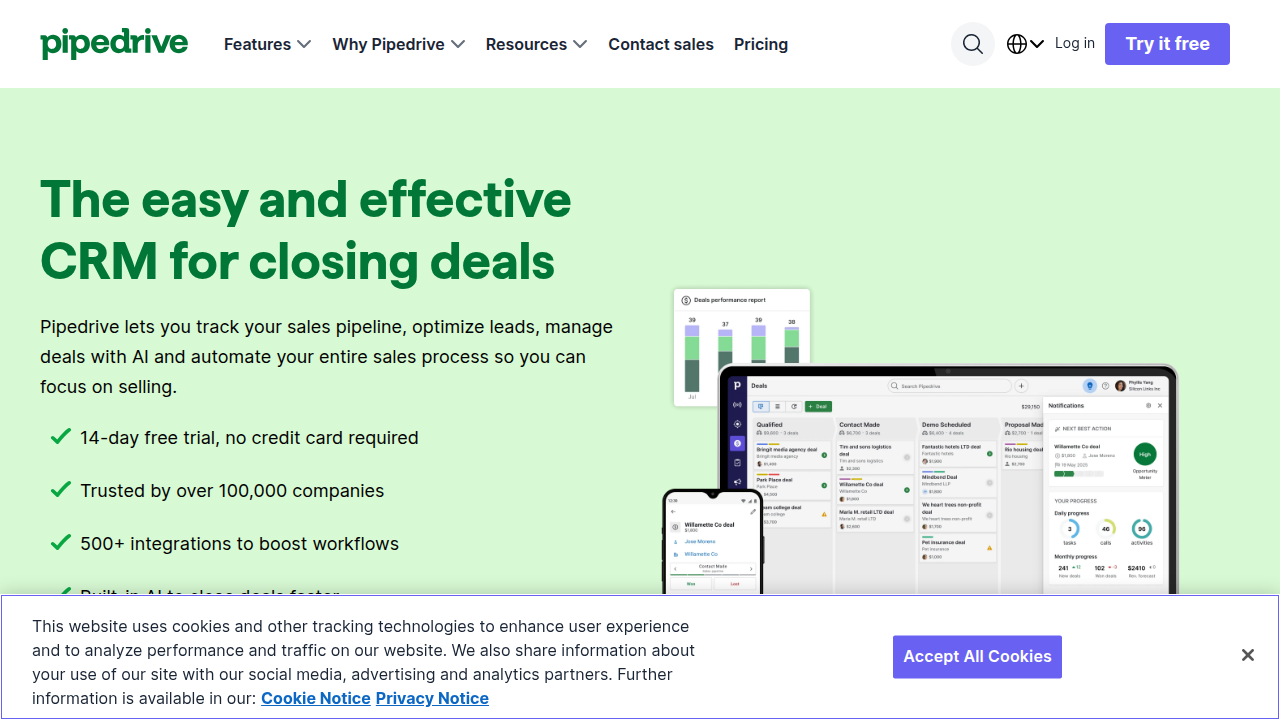
This helps AEs know what to focus on next. For many sales teams in 2026, being able to track deals visually is a big help.
Good CRM software systems also offer deal-stage automation. This means the CRM can help move a deal along by doing small tasks automatically, like sending a reminder or updating a status. This saves AEs time so they can spend more time talking to customers. Pipedrive also offers forecasting features. These tools help AEs guess how many sales they might make in the future, which is super helpful for planning and meeting sales targets. For any sales professional aiming to consistently improve their performance and hit targets, understanding how to leverage tools for effective pipeline management is crucial. You can learn more about how to achieve high performance in sales by understanding different leadership models.
Another key feature for AEs is customization. Sales often have different steps or "deal types." Some deals are simple, while others are very complex. A good CRM lets AEs change fields and deal types to match their unique sales process. This way, the CRM works exactly how they need it to, no matter how tricky the sale might be [CloudTalk]. Many experts agree that the top 10 CRM systems for sales growth offer strong customization options for diverse selling needs in 2026 [Authencio].
4) Selecting the Best CRM for Small Businesses (1–10 employees)
For very small businesses, maybe with only one to ten employees, choosing the right CRM software is super important. These small teams often have people who do many different jobs, from selling to sending bills. They need a CRM that is easy to use, does not cost too much, and helps them get things done without a lot of fuss. When looking at a CRM software list, small business owners want something that can grow with them but is helpful right now.
The best CRM software for these tiny but mighty teams strikes a good balance. It should have all the basic tools they need, like keeping track of customer contacts and sales leads. It also needs to be kind to their budget because every penny counts for small businesses. The total cost of owning the software, including any subscription fees, is a big factor when businesses choose tools in 2026 [HouseBlend]. A good small business CRM helps teams manage everything from the first customer chat to sending out invoices and offers simple automation to save time. This means the CRM can do small, repetitive tasks on its own, like sending a follow-up email.
A top CRM system for small businesses also connects well with other tools they already use. Think about accounting software, like QuickBooks, which many small businesses use to handle their money [Green River College PRFR Report Appendix 2.A.2]. It should also link up easily with common email programs and calendars. This way, all their customer information, appointments, and money matters stay organized in one place. This kind of easy integration makes work smoother and helps small teams achieve peak sales performance by keeping track of every interaction. For any business owner, making smart choices about their tools can help them build purpose and growth.
Finding a CRM software system that fits just right means checking for these key things. It’s not about having the most fancy features, but having the right features that truly help a small team manage customers, make sales, and keep their business running smoothly without breaking the bank.
5) The Best CRM for Automation and Workflows
Imagine you could make many of your daily business tasks happen on their own. That’s what automation in a CRM does for you.

When we talk about the best CRM software in 2026, tools with strong automation features often stand out on any top 10 CRM systems list. They help businesses save time and make sure nothing falls through the cracks. This is really useful for small teams or even single business owners trying to do a lot.
A good CRM software system with automation can handle many boring, repeated jobs. For example, when a new customer shows interest, the CRM can automatically send them a welcome email. It can also create a task for your sales team to call that new customer. This is called a workflow automation. It can even route tasks to the right person. If a customer has a question about billing, the CRM knows to send it to your finance person, not a sales person. These types of features are important for businesses wanting to boost their sales and marketing efforts [Business News Daily].
Using these smart workflows means your team can spend more time talking to customers and less time on paperwork. This helps a lot with common sales challenges, like handling customer questions or making sure you follow up with everyone consistently. When follow-ups happen on time, your customers feel important, and you have a better chance to close a sale. Many of the best CRM software options for 2026 use automation to help businesses reach their goals [CloudTalk].
Actually, some CRM software systems can do multi-step automations. This means one action can start a whole series of other actions, all without anyone needing to click a button. For example, after a customer buys something, the CRM could automatically send a thank-you email, schedule a check-in call for a month later, and then move that customer to a special list for loyal buyers. This kind of thoughtful automation helps teams achieve peak sales performance and makes customers happy too. Investing in a CRM with good automation means you are investing in a proven system for predictable growth.
6) [CRM #6 — Name placeholder]: Best for reporting & analytics
After a CRM helps you make tasks happen on their own, the next important step is to understand what all that work means. This is where reports and analytics come in very handy. In 2026, if you look at a list of top 10 CRM systems, you’ll see that the best CRM software systems do more than just manage your customer contacts. They also give you clear pictures of how your business is doing.
Think of it like having a special scoreboard for your sales team. A good CRM software lets you see important reports right away. For example, you can look at "activity vs. outcome." This report tells you how many calls your team made (their activity) compared to how many sales they actually closed (the outcome).
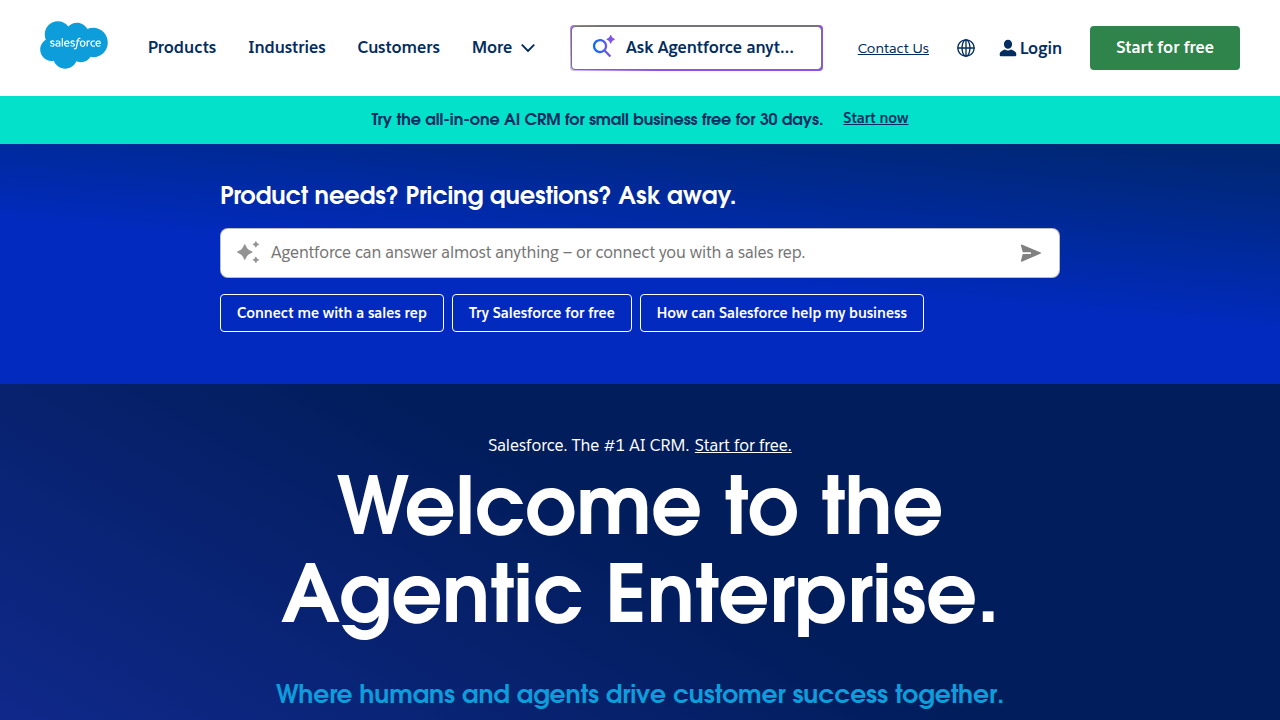
This helps you see what is working well and what might need a change. Another helpful report tracks your "funnel conversion rates." This shows how many people move from just being interested in your product to actually buying it [LaGrowthMachine].
You can also check "rep performance" to see how each salesperson is doing. This helps managers give better advice and training to their teams. Many of the best CRM software options for 2026 offer these types of easy-to-read dashboards and reports.
For a deeper look into your business, many CRM software systems let you take your data out. This means you can easily move the information from the CRM and use it in other programs. You can also make "custom metrics," which are your own special ways to measure success that fit what your business needs. Some top CRM systems even connect with other special programs called Business Intelligence (BI) tools. These tools help you look even closer at your data to find hidden trends and make smart business choices. Using these insights can help your team to [achieve peak sales performance with the transformational leadership model] by knowing exactly what they need to improve.
It’s also super important for businesses to make sure their CRM follows rules about how it handles customer data. This includes important things like GDPR and SOC 2 compliance, which are vital in 2026 for any modern CRM system [AuthenCIO].
7) HubSpot CRM: Best for integrations and API-first platforms
While seeing reports helps you understand your business, making sure all your tools work together is just as important. Think about it: you use many different programs every day. You have one for emails, another for your calendar, maybe one for sending out marketing messages, and certainly one for taking payments. Wouldn’t it be great if your customer relationship management (CRM) software could talk to all of them? This is where integrations shine.
The best CRM software systems in 2026 are great at connecting with other tools. When a CRM integrates well, it means your email, calendar, marketing tools, and even payment processors can share information easily.
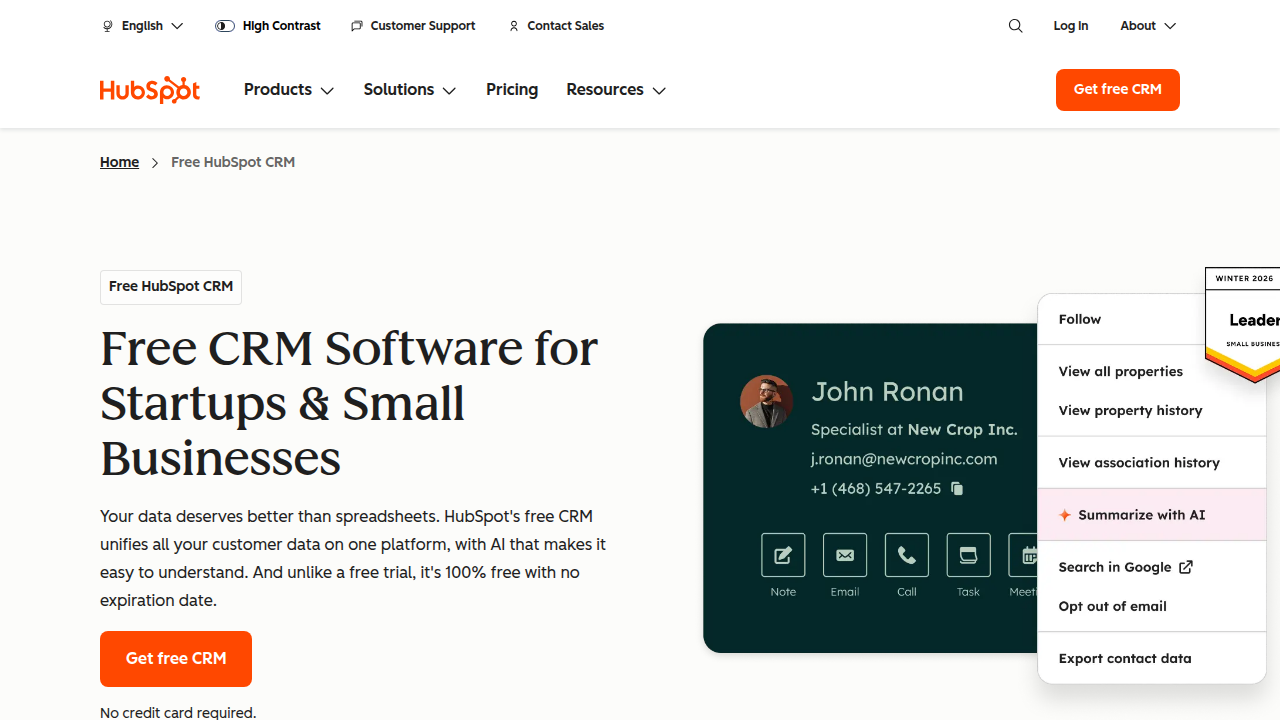
This saves you time because you do not have to copy and paste details from one program to another. It also makes sure all your customer information is in one place and always up to date. Many businesses look for a CRM that can connect with popular business apps right out of the box.
For small teams, having many pre-built connectors is a big plus. It means you can quickly link your CRM with the tools you already use, without needing special tech skills. Some of the top 10 CRM systems go even further. They are built as "API-first" platforms. An API (Application Programming Interface) is like a special bridge that lets different software programs talk to each other directly [Integrate.io]. An API-first approach means the CRM was designed from the start to connect easily with many other services.
In 2026, you’ll find that many leading CRM software systems also offer a rich "marketplace ecosystem." This is like an app store where you can find and add hundreds of ready-made connections and extensions for your CRM [Merge.dev]. These integrations can help you manage sales better and lead to predictable growth for your business. When choosing from a CRM software list, checking its integration options is a smart move. Experts even talk about "unified API platforms" that make it even simpler for businesses to connect many different tools at once [WithAmpersand.com]. These kinds of connections help you streamline your work and get more done with your CRM software.
8) PrivacyShield CRM: Best for data privacy and security-conscious teams
Keeping your customer information safe and private is super important in 2026. People care a lot about who sees their personal details. For businesses, choosing CRM software that protects this data is not just a good idea; it’s a must.

When we look at the top 10 CRM systems, some really stand out for their strong focus on privacy and security.
These best CRM software systems help you follow important rules for data. For example, if you deal with customers in Europe, you need to follow GDPR rules to protect their data from misuse [AuthenCIO]. If you’re in healthcare, HIPAA rules are key for keeping patient information private [Vervali]. Also, certifications like SOC 2 Type II and ISO 27001 show that a CRM company has strong practices for keeping your data secure [Usefini]. You should always look for a CRM software that meets these standards. These standards help make sure your customer data stays protected across different systems [GDPRlocal.com].
A top CRM for security also gives you practical tools. This includes "role-based access," which means only certain team members can see certain customer details. For instance, a sales person might see contact info, but not private financial notes. "Audit logs" are also helpful; they keep a record of who looked at or changed data, and when. This way, you can always see what happened. Another big point is "data residency." This lets you choose where your customer data is stored, like in your own country, which can be important for legal reasons [Konfirmity].
Choosing a CRM software system with these features helps you build trust with your customers. When customers trust you with their data, it helps your business grow in a steady way. If you want to achieve predictable growth for your business, keeping customer data secure is a big part of that.
9) CRM for Growth: Best for Scalability and Growing Teams
Imagine your business starts small but then grows very quickly. You’ll need tools that can grow with you. That’s where CRM software that is built for scalability comes in handy.
For companies planning big things, picking one of the top 10 CRM systems that can handle more customers and team members is super important. A scalable CRM helps you keep customer satisfaction high, even as your business gets bigger [PMC NLM].
Here are a few things that show a CRM system can grow with you:
- Supports many places: If you plan to sell to customers in different cities or countries, your CRM needs to work well everywhere. This is called "multi-region support."
- Smart permissions: As your team grows, you’ll want to make sure only certain people can see or change customer information. A good CRM lets you set up advanced rules for who can access what.
- Big business features: The best CRM software often has special features designed for larger companies. Even if you don’t need them now, it’s good to know they are there for later.
A powerful CRM solution helps you keep track of all your customer interactions. This is key for boosting sales and keeping customers happy, no matter your size [Superagi]. When choosing a CRM software system, also think about how easy it is to move your information if you ever need to. Look for good "migration paths" that let you easily export and import your data. This makes sure your customer information is always safe and ready for what’s next.
Choosing a CRM that can grow with your business helps you manage things better and aim for predictable growth. If you want to achieve strong sales performance, having a CRM that can scale is a smart move for any team looking to expand in 2026 and beyond. You can learn more about how to set up your team for success by understanding the proven system for predictable growth.
10) Value-Packed CRM: Best for Budget-Conscious Buyers
Choosing a CRM system can feel like a big decision, especially when you’re watching your budget. It’s not just about finding one of the top 10 CRM systems with lots of features. It’s also about getting the best value for your money. For many businesses in 2026, the real cost of a CRM goes beyond its sticker price. This is what we call the "Total Cost of Ownership," or TCO.
What Makes Up the Real Cost of a CRM?
When you look at different CRM software options, don’t just check the monthly fee. Think about these other costs too:
- Subscription Fees: This is the main charge you pay, often per user per month. Some plans can be quite expensive, even hundreds of dollars for just one user each month, depending on the features you need [IntuitionLabs].
- Add-ons: Most CRM software systems let you add extra tools or features later. These might cost extra. For example, specific pricing might depend on how much data you store [Rubrik].
- Integrations: If your CRM needs to talk to your accounting software or email system, setting that up can sometimes cost money.
- Support: What if you need help using the CRM? Some companies offer free basic support, while others charge more for faster or more advanced help.
- Training: Your team will need to learn how to use the new CRM. This could mean paying for training sessions or special guides.
Thinking about all these parts helps you see the true total cost, which is important when comparing different vendor options [HouseBlend].
Smart Ways to Get a Good Deal
If you’re on a budget but still want the best CRM software, here are a few tips:
- Ask for Free Trials: Most CRM providers offer a free trial period. Use this time wisely to see if the software really fits your needs before you commit to buying.
- Compare Different Options: Look at a few different CRM software list options side-by-side. See what each one offers at similar price points.
- Negotiate: Don’t be afraid to ask for a better price or more favorable terms. Companies sometimes adjust prices or offer discounts, especially if they are looking to manage their own costs [Yext].
- Understand What’s Included: Make sure you know exactly what features are part of the basic price and what would be an extra cost. This helps avoid surprises later.
By carefully looking at the total cost and being smart about how you buy, you can find a CRM that gives you great value without breaking the bank. This smart approach helps you achieve peak sales performance by managing your resources well. You can learn more about how to set up your team for success by understanding the transformational leadership model.
Summary
This guide explains why choosing the right Customer Relationship Management (CRM) system matters for sales, customer service, and predictable business growth in 2026. It compares the top CRM types and highlights who each serves best — from solo sales reps and SDRs to account executives and growing small businesses — and names Pipedrive for pipeline-focused selling. You’ll learn which features to prioritize (contact management, lead capture, sequencing, automation, reporting, integrations, and security), how to evaluate total cost of ownership, and what to check for compliance and scalability. The article gives practical buying advice, a simple feature checklist, and tips to match a CRM to your team size and goals so you can reduce busywork, improve forecasting, and get faster time-to-value from your investment.
Category
CRM Software
Written by

Published
April 20, 2026
More from the blog
Related reading





Next steps
Put the ideas from this article into practice
Explore related posts on the blog or reach out if you need a specific resource.
Sales Closing Course is a specialized affiliate content website focused on helping people learn and improve sales closing skills. The site publishes high-quality content about sales closing techniques, high-ticket sales training, objection handling, communication skills, closing frameworks, income p