
How a Recruitment Agency for Sales Jobs Can Fast Track Your Career in 2026

Introduction
Looking for a sales job in 2026 can feel like a full time job all on its own. The same is true if you are a hiring manager trying to find that perfect salesperson.

You spend hours scrolling through online boards, sorting through resumes, and reading job descriptions that all start to sound the same. How do you know which role is the right fit? Or which candidate will actually perform?
That is where a recruitment agency steps in as a powerful bridge. The staffing industry is growing fast to meet this exact challenge. In fact, experts predict the market will hit around $183.3 billion in 2026 (source: ClearlyRated).

Whether you work with a united talent agency, integrity staffing solutions, or lhh recruitment solutions, the core goal stays the same. They match the right people with the right companies.
Maybe you need an executive recruitment agency to fill a senior leadership spot. Or perhaps diversity staffing is a top priority for your hiring team. A good agency handles the heavy lifting. They screen applicants, set up interviews, and help with salary talks. They also stay on top of the biggest trends shaping the industry in 2026 (source: StaffingHub).
In this guide, we will give you a clear, trusted roadmap. You will learn exactly how to partner with agencies to land your next big role or build a winning sales team. We will also show you how sharpening your own skills, like with soft skills training that boosts sales performance and roi, can help you stand out from the crowd. Let us cut through the noise together.
What Are Recruitment Agencies and Staffing Solutions?
Let us start with a simple definition. A recruitment agency acts as a middleman between companies that need to hire and people who want to work. But these agencies do a lot more than just pass along resumes. They help find, screen, and match talent to the right job openings. Think of them as professional matchmakers for the job market.
Now, not all agencies work the same way. The type of agency you choose depends on what you need. Here is how the main models break down.
Temp, Contract, and Direct Hire
The biggest difference is how long a job lasts.
- Temporary staffing covers short-term roles. Maybe a company needs help for a few weeks during a busy season. The worker is paid by the agency, not the company. This works well for both sides.
- Contract staffing is for longer projects. A contract might last six months or a year. The agency handles payroll and benefits. This is a popular way to test a job before committing full time.
- Direct hire is the permanent route. The agency finds a candidate, and the company hires them directly. The company pays the agency a fee, and the employee joins the company’s payroll. This model is common for sales roles where companies want long-term commitment.
According to a guide on agency models, staffing firms adjust their services based on the specific hiring needs of each client (source: Types of Staffing Agencies).
How Agencies Get Paid: Contingent, Retained, and Hybrid
This is where things get interesting. Agencies use three main business models.
- Contingent recruitment means the agency only gets paid if they successfully place a candidate. It is a "no win, no fee" setup. This is very common and lowers the risk for the hiring company. For a full breakdown, you can explore how contingency recruitment actually works in practice.
- Retained recruitment is different. The company pays the agency upfront or in stages. This is usually for high-level roles where finding the right person takes more time and effort. An executive recruitment agency often works this way.
- Hybrid models mix both approaches. A portion of the fee is paid upfront, and the rest is paid on placement. This balances risk and reward for both sides.
What Services Do They Offer?
A good agency does not just collect names. They provide real value through these services.
- Sourcing and screening. They find candidates you might never see on a job board.
- Interviewing. They pre screen every applicant so you only meet serious contenders.
- Negotiation support. They help with salary talks, benefits, and start dates.
- Specialized focus. Some agencies focus on specific areas like diversity staffing to help companies build more inclusive teams.
Working with a united talent agency can simplify the whole process. You get access to their network, their screening tools, and their market knowledge. This saves you time and helps you avoid bad hires.
If you are a sales professional looking to stand out to these agencies, consider building skills that make you more attractive. For example, learning how to handle tough conversations can help you shine during interviews. Check out this resource on soft skills training that boosts sales performance and ROI to strengthen your communication abilities.
So whether you need a short-term fill-in or a permanent sales leader, understanding these agency models is your first step. Pick the right model, and you set yourself up for a smoother hiring experience.
The Role of Recruitment Agencies in the Sales Hiring Landscape
So now that you understand how these agencies work, let us talk about what they actually do inside the sales world. Sales hiring is different. It moves fast, and the best candidates are often not looking for a job. That is where a recruitment agency really shines.
Why Companies Turn to Agencies for Sales Roles
Companies do not just call an agency because they are lazy. They call because hiring for sales is tough. Here is why.
Speed matters. Sales teams need to hit quotas. Every empty desk means lost revenue. A good agency can fill a role in days, not months. According to the 2026 Talent Trends Report, the number of applications per hire has tripled since 2021, and in 2025, every hire required more than 300 applications (source: Recruiter Productivity Report). Sorting through that many resumes takes time companies simply do not have.
Specialization is key. Sales roles are not all the same. An executive recruitment agency that focuses on sales knows exactly what to look for. They understand quota history, closing techniques, and industry fit. A general HR person might miss those signals.
Access to passive candidates. The best salespeople are usually already working. They are not scrolling job boards. But they might take a call from a recruiter they trust. Agencies have networks of these passive candidates. That gives companies a huge advantage.
A united talent agency can tap into this hidden talent pool, bringing you candidates your own job postings will never attract.
Benefits for Sales Job Seekers
If you are a sales professional looking for your next move, agencies are your secret weapon.

Exposure to hidden jobs. Many sales roles never get posted publicly. Companies rely on agencies to keep their search quiet, especially when replacing someone. If you only check job boards, you miss these opportunities.
Resume and interview feedback. Good recruiters do not just submit your resume. They help you polish it. They tell you what the hiring manager really wants. They prep you for tough interview questions. This feedback is gold.
Speed into the door. Agencies have relationships with hiring managers. Your resume does not sit in a black hole. It lands on the right desk. And because the agency has already vetted you, you skip straight to the serious conversations.
The sales hiring market has been active through 2026, especially in areas like product marketing and business development (source: 2026 Hiring Trend: Sales & Marketing). That means agencies have more opportunities than ever.
How Many Sales Positions Are Filled Through Agencies?
Here is the thing. A large portion of sales hires now come through staffing firms and agencies. The global online recruitment market has grown steadily at 6.4 percent each year (source: Online Recruitment Statistics). Over half of recruitment agencies expect revenue growth in 2026, and 80 percent report saving time and improving quality for their clients (source: Revenue Growth in 2026).
Companies are leaning on agencies because the talent pool is tight and the stakes are high (source: GRID 2026 Industry Trends Report). For sales specifically, agencies fill a huge percentage of mid-level and executive roles.
If you are serious about advancing your sales career, building a relationship with a recruitment agency should be part of your strategy. And if you want to stand out when you do connect with them, it helps to sharpen your communication skills first. Consider investing in yourself with soft skills training that boosts sales performance and ROI. That extra polish can make all the difference when a recruiter puts your name forward.
How to Partner with a Recruitment Agency as a Sales Professional
So you know the value of a recruitment agency. Now here is the trick. You have to be a good partner too. A united talent agency can open doors, but you have to walk through them prepared. Let us look at how to get the most out of the relationship in 2026.
Polish Your Resume and LinkedIn Profile
Your resume is your first handshake with a recruiter. It needs to shout "sales results." Use numbers. Do not just say "increased sales." Say "grew territory revenue by 35% in 2026."
Recruiters see hundreds of resumes. Yours needs to stand out fast. According to recruitment experts, optimizing your resume for Applicant Tracking Systems (ATS) is crucial in 2026. Use keywords from the job description. Focus on metrics that prove your impact. Check out these expert tips for creating the ultimate resume in 2026.
Your LinkedIn profile needs to tell the same story. Recruiters will check it before they call you. Make sure your headline includes your specialty and your results. A complete profile with a professional photo always gets more attention.
Build a Real Partnership
Agency recruiters are not just matchmakers. They are career advisors. Be upfront about your salary expectations, your ideal company culture, and your non-negotiables. The more they know, the better they can advocate for you.
Whether you are working with a massive firm like LHH Recruitment Solutions or a boutique executive recruitment agency, honesty builds trust. A 2026 recruitment strategy report highlights that clear communication between recruiter and candidate is key to a successful placement. Read more about what works in the 2026 recruitment strategy.
Respond quickly to emails and calls. Sales moves fast. The best opportunities get snapped up in days, not weeks. A 2026 job search strategy report emphasizes the importance of being nimble and responsive. Follow these six key steps for your 2026 job search.
Treat your recruiter like a trusted colleague. When they know your strengths, they sell you better to the hiring manager.
Avoid These Common Mistakes
Mistake one: Being too casual. A sales recruiter shares that showing up to an interview in casual clothes can kill your chances instantly. Dress polished and professional. Read these top nine tips straight from a sales recruiter.
Mistake two: Ignoring feedback. Your recruiter knows what the hiring manager wants. Listen to their advice on your resume or interview style. Candidates who come prepared to discuss their specific sales methodology stand out. Check out these ten expert tips to improve your sales recruiting process.
Mistake three: Burning bridges. Even if a role is not right for you, stay professional. The recruiter might have a perfect role next month. Firms that focus on diversity staffing have wide networks. A bad reference from one can ripple through the industry.
Partnering with an agency is a two way street. The more value you bring, the harder they will work for you. One way to add instant value is by sharpening the soft skills that make you stand out. Check out this soft skills training that boosts sales performance and ROI. It is exactly the kind of initiative that makes a recruiter excited to present you to their top clients.
Choosing the Right Agency: A Step-by-Step Process
Not every recruitment agency is the same. Some focus on tech. Some focus on finance. And some specialize in sales roles. Picking the wrong one wastes your time. But the right united talent agency can fast track your career in 2026.

Here is a simple process to find an agency that truly understands sales.
What to Look For in an Agency
Specialization matters most. A general agency casts a wide net. A sales focused agency knows the language of quotas and pipelines. They understand the difference between a hunter and a farmer role. Sales hiring continues to be active in 2026, especially for product marketing and business development roles. The Robert Walters hiring trend report for 2026 confirms healthy volumes for sales positions. So you want an agency that lives and breathes sales.
Reputation is everything. Ask around. Read online reviews. Check if the agency has won awards or been featured in industry news. Agencies that emphasize integrity staffing solutions tend to build stronger relationships with both candidates and companies. A good reputation means they place people who stay and succeed.
Fee transparency matters. Some agencies charge the employer. Some charge you. Always ask upfront. A legitimate agency will be clear about how they get paid. If they ask you for money before finding you a job, walk away.
Culture fit is real. You want an agency that understands your personal style. Do you thrive in fast paced startups or stable corporate environments? An executive recruitment agency that takes time to learn your preferences will send you better matches.
Step by Step Research Process
Start with a simple search. Look for agencies that mention sales in their specialty. Then check their website for case studies or testimonials from sales professionals.
Next, vet their network. The staffing industry has seen steady growth in 2026. The online recruitment market continues to expand at a CAGR of 6.4%. Growing agencies have wider networks. But bigger is not always better. A boutique agency might have deeper connections in your specific industry niche.
Finally, talk to them. Schedule a short call. Ask how many sales roles they filled last year. Ask which companies they work with. Pay attention to how well they listen. A recruiter who talks more than they listen will not represent you well.
Spotting Deep Sales Industry Connections
Look for agencies that attend sales conferences. Look for partnerships with sales training companies. Look for recruiters who used to work in sales themselves. Those recruiters understand the pressure of a quota and the thrill of a closed deal.
Agencies focusing on diversity staffing often have broader networks that include companies committed to inclusive hiring. If that matters to you, prioritize those agencies.
Once you find the right partner, keep building your value. The best recruiters want to represent candidates who keep growing. This soft skills training that boosts sales performance and ROI is exactly the kind of initiative that makes a recruiter excited to present you to their top clients.
Choose wisely. The right agency can be the difference between a slow job search and a fast promotion.
The Recruitment Process Behind the Scenes
So you have found the right united talent agency. Now you are in their system. But what actually happens behind the scenes between your first chat and your job offer? Knowing the process helps you work with the agency instead of just waiting on them.
The Step-by-Step Process
Most agencies follow a similar path. Here is what that looks line from start to finish.
Sourcing. The recruiter searches for candidates. They use databases, job boards, social media, and referrals. They also look for passive candidates who are not actively job hunting. The staffing industry is expected to grow by about 2% in 2026, reaching around $183.3 billion. More hiring means more sourcing activity behind the scenes.
Screening. Once they find potential matches, they interview them. For sales roles, good screening includes real world assessments. You might be asked about your closing style, your quota history, and how you handle rejection. An executive recruitment agency often tests cultural fit during this stage.
Shortlisting. The recruiter picks the strongest candidates to present to the employer. They do not send everyone. They send the best fits.
Interview coordination. The agency schedules interviews, shares company insights, and prepares you for what to expect. Good recruiters give you inside info on the hiring manager’s priorities.
Offer negotiation. This is where a great agency earns its keep. They negotiate salary, commission structure, and start date on your behalf.
How Agencies Get Paid
Fee structures matter to understand because they affect how motivated the agency is to place you.
Contingency fees. This is the most common model. The agency only gets paid if they successfully place a candidate. Contingency recruitment works on a no win, no fee basis. For entry level sales roles, fees are usually 15 to 18% of the first year salary. Mid level roles run 20 to 22%. Executive placements can hit 25 to 31%, according to industry data on recruitment fees in 2026.
Retainer fees. The employer pays a portion upfront to secure exclusive access to the agency’s services. This is common for hard to fill executive roles.
Temp to perm. The candidate starts as a temporary worker. After a set period, the employer hires them permanently. The agency charges a conversion fee when that happens. Different staffing models serve different hiring needs.
Timeframes and Guarantees
How long does the whole thing take? It depends on the role. But here is a realistic timeline.
From first contact to job offer: typically 2 to 6 weeks for sales roles.
Most agencies offer a replacement guarantee. If you leave the job within a certain window, the agency finds a replacement for free. The industry standard is 60 to 90 days. Some agencies extend it to 120 days for senior roles.
Agencies that focus on integrity staffing solutions tend to stand behind their placements longer. They want you to succeed because their reputation depends on it.
Understanding these behind the scenes steps helps you feel more in control. You know what the recruiter is doing at each stage. And you know when to follow up and when to be patient.
Common Misconceptions and Red Flags
You might think you know everything about how a united talent agency works. But some common myths can lead you in the wrong direction. And worse, there are real scams out there pretending to be legit recruiters. Let’s clear up both.
Three Myths That Hold You Back
Myth 1: Agencies only work for entry-level jobs. Not true. Many agencies focus on senior roles and executive placements. An executive recruitment agency often handles C-suite searches. They want experienced candidates too.
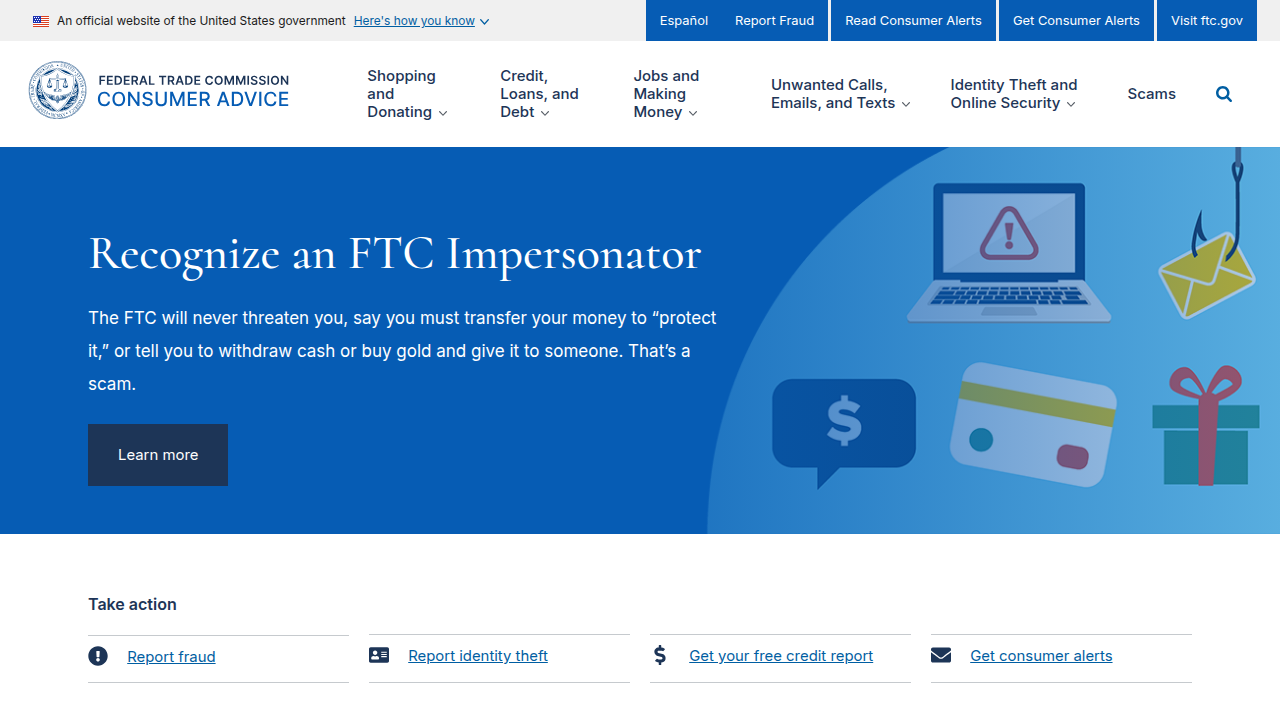
Myth 2: The candidate pays the fee. This is the biggest one. Legitimate agencies never charge you. The employer pays. If anyone asks you for money upfront to get a job, that is a scam. The FTC warns about these job scams because they are so common.
Myth 3: All agencies are the same. Actually, some focus on integrity staffing solutions, meaning they prioritize honest communication and long-term fit. Others just push bodies into roles. You want the first type.
Red Flags You Should Never Ignore
Watch out for these warning signs when dealing with any recruiter.
Pressure to pay upfront. Fraudsters often ask for money for training, background checks, or exclusive access. Real agencies do not do this.
Vague job descriptions. If the recruiter cannot clearly describe the role, the company, or the salary range, be careful. Broad, unclear job ads are a common red flag.
Poor communication. A recruiter who returns calls late, avoids direct answers, or uses only email from a free account is not professional. Unprofessional contact methods are a classic scam sign.
Asking for sensitive personal info too early. No recruiter needs your bank details or Social Security number before an interview.
How to Verify an Agency’s Credentials
Before you invest your time, do a quick check. Look up the agency on LinkedIn. Read reviews from other candidates. See if they have a real website with actual job postings. You can also ask for client references.
A good agency will want you to succeed. They will stand behind their placements because their reputation depends on it. When you find an agency that checks out, trust the process and work with them openly. That is how you get the best results from your partnership.
Future Trends in Recruitment and Staffing (2026 and Beyond)
Now that you know how to spot the real players, let’s look at what the future holds for a modern united talent agency in 2026. The way we find jobs and hire talent has changed a lot. And it is still changing fast.
AI Is Reshaping How Agencies Match Talent
Artificial intelligence is the biggest story in recruiting right now. AI-driven recruitment tools speed up sourcing and screening.
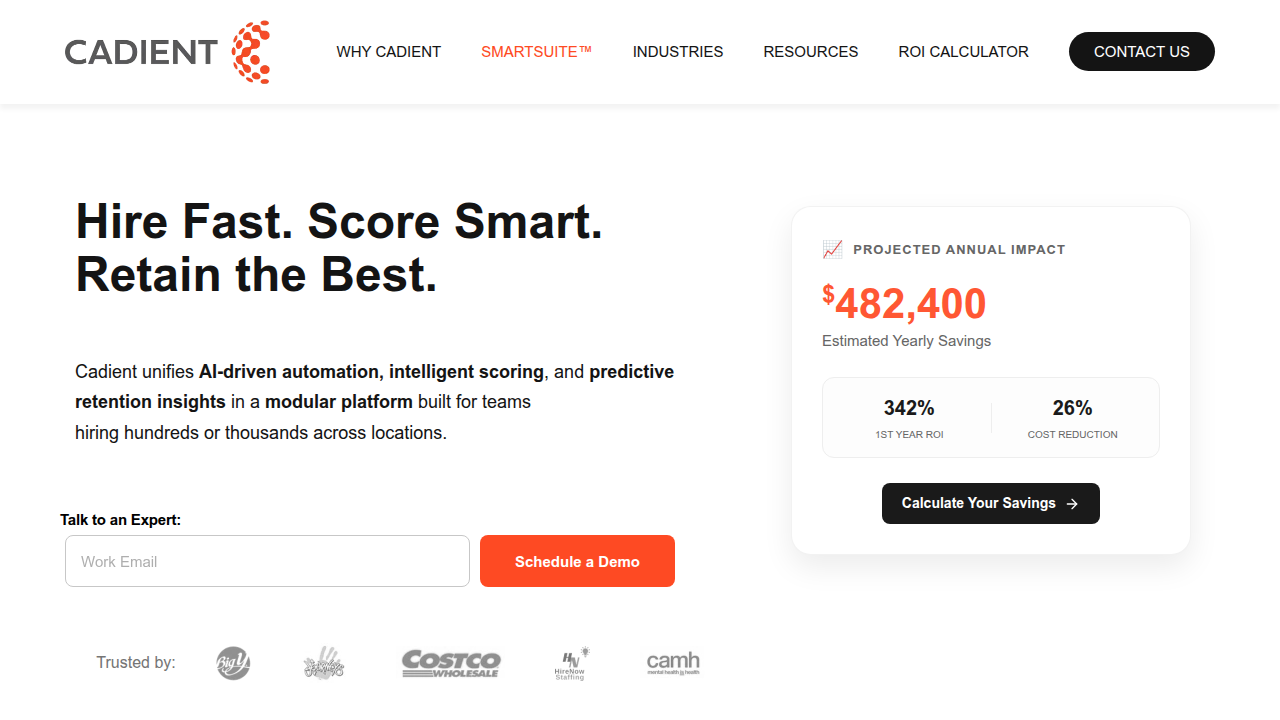
This means a recruiter can look at thousands of profiles in seconds. But it is not just about speed. The best agencies use AI to find better matches based on skills, not just keywords.
This shift toward skills-based hiring is great for you as a candidate. If you have the right skills, an AI system can find you even if your resume does not use the exact right phrases. As an executive recruitment agency, using AI wisely means they spend less time sorting resumes and more time talking to you. To stand out in this new landscape, strong soft skills training becomes even more important. The human touch is what still seals the deal.
Remote Work Expands Every Agency’s Reach
Remember when you could only work with a local recruiter? Those days are mostly gone. Remote work is now standard for many sales roles. This has a huge effect on staffing agencies. A united talent agency in one city can now place candidates in companies across the country or the world.

For you, this means more options. You are not limited to jobs near your home. Agencies are adapting by building bigger networks and focusing on diversity staffing to bring in talent from everywhere. The tight talent pools that agencies struggle with can actually be solved by casting a wider geographic net. This freedom is a huge advantage. It also lets you find roles that help you fuel your sales growth with leadership mentoring from almost anywhere.
The Rise of Talent Communities and Gig Work
The idea of a "job for life" is fading quickly. More people are building careers through short-term projects, fractional roles, and freelance work. This is the rise of talent communities. Instead of just filling one full-time job, agencies like lhh recruitment solutions are building databases of vetted professionals ready for their next project.
Gig staffing platforms are growing fast. They let companies hire experts for specific projects without a long commitment. For a salesperson, this can mean higher earnings and more control over your schedule. An integrity staffing solutions approach stands out here by matching you with gigs that truly fit your life and career goals.
The best way to thrive in this new world is to stay adaptable. Keep your sales skills sharp and work with an agency that understands where the market is heading. If you want to build an unstoppable career, mastering the right tools like a modern CRM is a great first step.
Summary
This guide explains how recruitment agencies and staffing solutions work for sales hiring in 2026 and why they matter to both employers and job seekers. It defines agency models (temporary, contract, direct hire) and payment structures (contingent, retained, hybrid), details the services recruiters provide, and describes how agencies speed hiring by accessing passive candidates and specialized networks. The article shows sales professionals how to partner effectively with recruiters—polishing resumes and LinkedIn, communicating clearly, and avoiding common mistakes—and gives hiring managers a simple process for selecting the right agency. It also walks through the behind-the-scenes recruitment steps, realistic timelines (typically 2–6 weeks), fee ranges, and replacement guarantees, plus red flags and verification tips to avoid scams. Finally, it highlights future trends—AI screening, remote work, and gig staffing—and recommends skills and tools to stay competitive when working with agencies.
Category
Sales Recruitment
Written by

Published
May 2, 2026
More from the blog
Related reading





Next steps
Put the ideas from this article into practice
Explore related posts on the blog or reach out if you need a specific resource.

Sales Closing Course is a specialized affiliate content website focused on helping people learn and improve sales closing skills. The site publishes high-quality content about sales closing techniques, high-ticket sales training, objection handling, communication skills, closing frameworks, income p