
Leadership Coaching for Sales Professionals Drives 19% More Quota Attainment

Introduction: Why Leadership Coaching is the Missing Link in Your Sales Career
Have you ever felt like your sales performance is a rollercoaster? One month you are on top of the world. The next, you are struggling to hit your targets. You take every training course your company offers. You read the blogs. But something still feels like it is missing.
Let’s be honest. Inconsistent sales performance and a lack of real confidence are two of the biggest reasons talented salespeople stay stuck. They focus on tactics without fixing the root cause.
Here is the good news. The missing link might be leadership coaching. It directly targets those internal gaps that standard product training ignores. Research from 2026 shows that coaching the middle 60% of sales reps can lift performance by as much as 19%. On top of that, 86% of organizations that tracked coaching ROI reported positive returns, often seeing 5 to 7 times their investment.
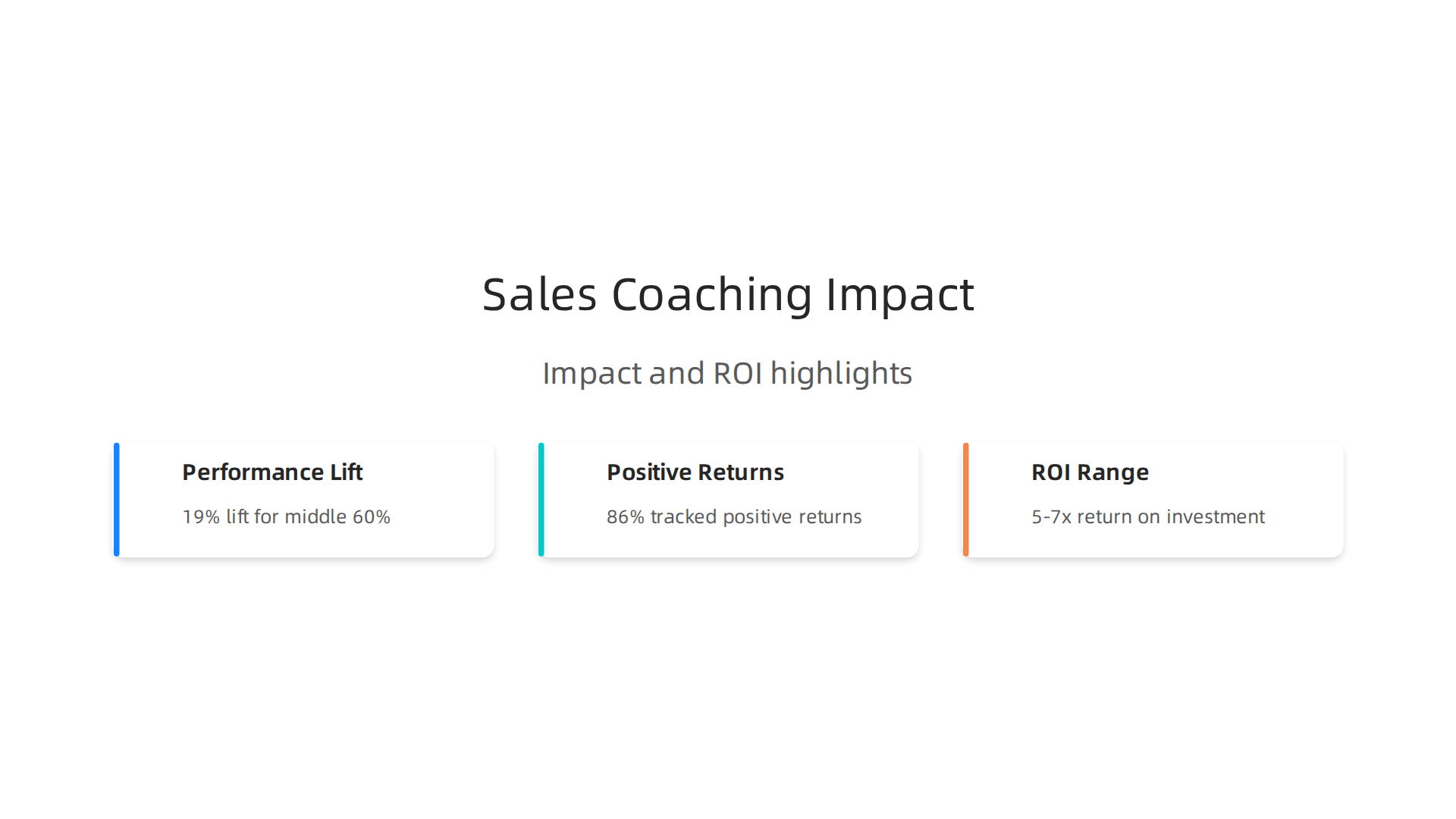
This is not just a soft skill bonus. It is a measurable boost to your quota attainment.
So what does this mean for you? It means that developing strong transferable skills through formal coaching can be the fastest way to advance your career. You can build on these foundations by exploring project management and leadership courses or earning a business development certification.
In this article, I will give you a clear roadmap. We will cover how to use leadership coaching to build unshakable confidence, crush your sales numbers, and open the door to your next promotion.

Let’s get started.
Why Leadership Coaching Matters for Sales Professionals
So why should you care about leadership coaching if you are already a solid salesperson? Here is the thing. Technical sales skills like cold calling, product pitching, and handling basic objections are important. But they can only take you so far.
Leadership coaching fills a critical gap. It helps you move from just executing sales tasks to thinking like a strategic leader. This shift changes everything about how you approach your deals and your career.
Bridging the Gap Between Selling and Leading
Most sales training teaches you what to do. Leadership coaching teaches you why it works and how to keep improving. It connects your day to day selling activities to bigger business outcomes.
Think of it this way. You might know how to handle a price objection in the moment. But a leadership coach helps you understand why that objection comes up in the first place. You learn to see patterns in your pipeline and adjust your strategy before you even get into the call.
This is where transferable skills start to grow. You are no longer just a closer. You become a problem solver, a trusted advisor, and someone who can influence decisions at every level. Those skills will serve you no matter what role or industry you move into next.
Building Real Confidence Through Better Objection Handling
One of the biggest reasons salespeople burn out is objection overload. Every no feels personal. Every stalling prospect drains your energy.
Leadership coaching changes that by giving you a new mindset. Instead of fearing objections, you learn to see them as valuable data. A coach helps you practice your responses, build real scripts that sound like you, and develop the emotional resilience to bounce back faster.
Research from 2026 confirms this shift in perspective works. A study found that salespeople with highly skilled coaches achieve an average of 19% more sales toward their goal compared to those without good coaching.
That is not a small bump. That is a game changer for your quarterly numbers.
Higher Retention and Faster Career Progression
Let’s talk about the big picture. Sales has a reputation for high turnover. But that is not always because the job is hard. Often it is because people feel stuck and unsupported.
Leadership coaching directly attacks that problem. When you invest in your own growth through something like formal coaching or project management and leadership courses, you signal to your company that you are serious about advancing. You also feel more engaged because you have a clear path forward.
Here is a tough truth from the 2026 data. While 90% of sales leaders believe they are coaching their teams regularly, 38% of sales reps say they rarely or never receive it according to recent sales coaching benchmarks. That means many of you reading this are not getting the support you need from your own managers. You have to take ownership of your own development.
When you seek out leadership coaching on your own, you accelerate everything. Your confidence grows. Your results improve. And you become the kind of candidate employers fight over.

If you want to build deeper skills that go beyond product knowledge, consider exploring quality soft skills training that boosts sales performance. These programs teach the human side of selling that coaching brings to life.
The Bottom Line
Leadership coaching is not a nice to have. It is the engine that turns average sales performers into top earners and future leaders. It bridges the gap between knowing your product and truly owning your market. And when you pair it with a business development certification, you create a powerful combination that makes you unstoppable in any economy.
In the next section, we will break down exactly how to identify a leadership coaching program that fits your style and goals.
Core Leadership Competencies Every Salesperson Needs
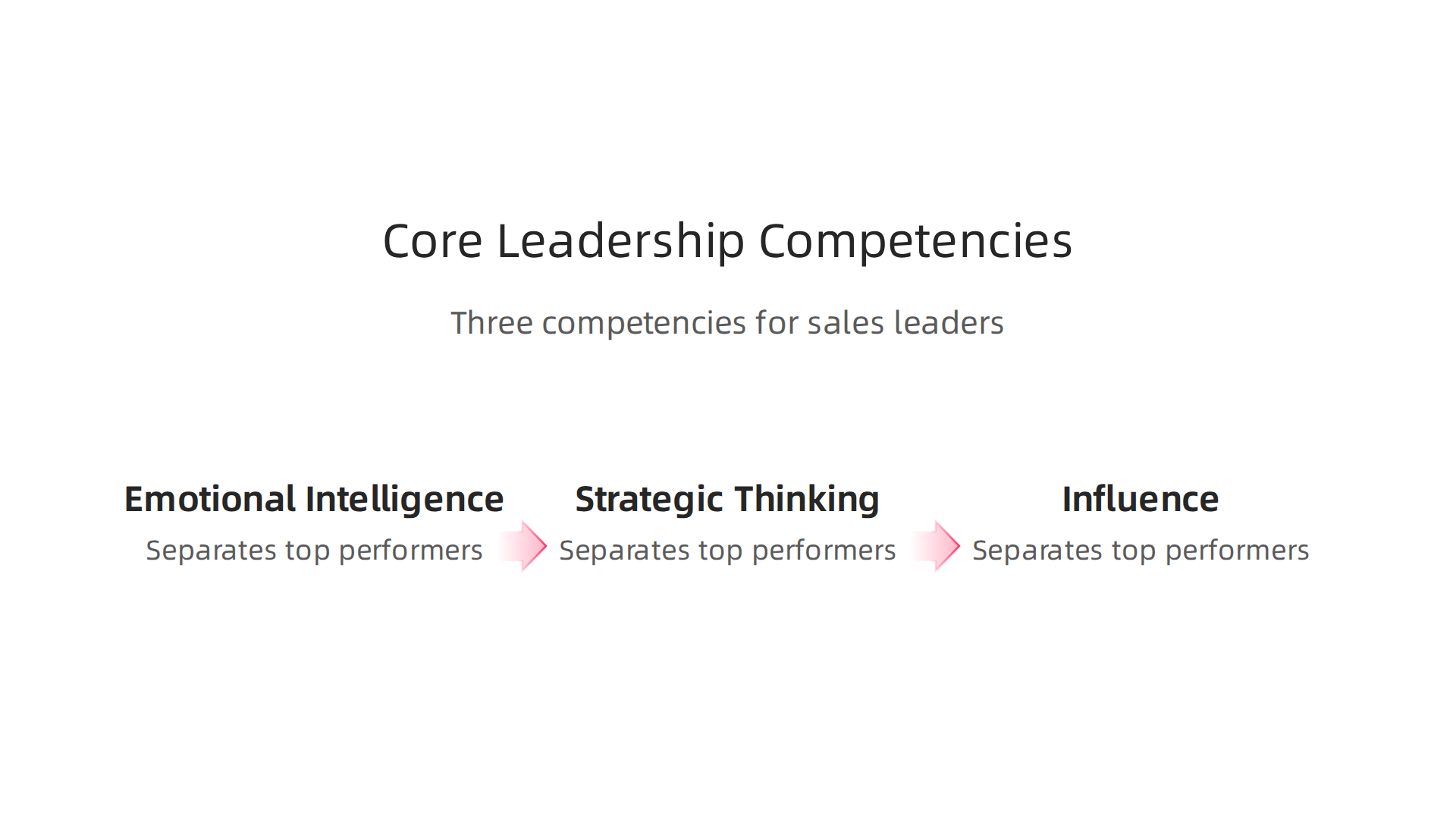
So you know that leadership coaching matters. But what specific skills should you actually focus on building? Let me break down the three competencies that separate top performers from everyone else.
Emotional Intelligence and Active Listening
Here is a truth that might surprise you. The best salespeople in 2026 are not the loudest talkers. They are the best listeners. Emotional intelligence, or EQ, lets you read a room, sense hesitation, and pick up on what your prospect is not saying out loud.
Active listening is the engine behind that skill.

When you truly listen, you understand the real pain behind a surface level objection. You hear the fear behind the delay. And that understanding builds trust faster than any product feature ever could.
Research from 2026 shows that top performing sales teams focus heavily on human judgment and relationship building. These are skills you cannot automate according to the latest skill map for sales professionals. They require practice, self awareness, and often a good coach to help you see your blind spots.
This is where quality soft skills training that boosts sales performance becomes your secret weapon. Programs that teach you how to manage emotions and listen actively will change how your prospects respond to you.
Strategic Thinking for Complex Deals
The days of simple transactional selling are fading fast. In 2026, buyers expect you to bring strategic insight to every conversation. That means you need to see the big picture before your prospect does.
Strategic thinking helps you map out a complex sale before you even pick up the phone. You consider the decision makers, the budget cycle, the internal politics, and the long term value of the deal. You stop reacting and start planning.
Top performers who master this skill also improve forecast accuracy. They know which deals will close and which ones need more work. That is a huge advantage in any sales organization based on 2026 sales leadership priorities.
Influence and Communication Without Authority
Here is the thing. You do not need a manager title to lead. Some of the most influential sales professionals I know have zero direct reports. They lead through influence.
Influence is the ability to move people toward a decision without pushing them. It combines clear communication, genuine curiosity, and the confidence to challenge a prospect’s thinking respectfully.
Sales leadership qualities in 2026 emphasize building teams that outperform individuals as noted in recent industry analysis. But you have to start with yourself. When you communicate with clarity and lead with influence, you become the person everyone wants to work with.
These three competencies are transferable skills that grow with you. Master them now, and you will have a foundation that lasts the rest of your career.
A Framework for Leadership Coaching in Sales
You made it through the competencies. Now here is the practical part. How do you actually build these skills in a structured way?
Leadership coaching is not random advice from a friendly manager. It follows a real framework. The best sales organizations in 2026 use models like GROW or situational leadership to create consistent results.
The GROW model is simple. It stands for Goal, Reality, Options, and Will. You start by setting a clear goal. Then you look at the current reality. You explore your options. Finally, you commit to specific actions.
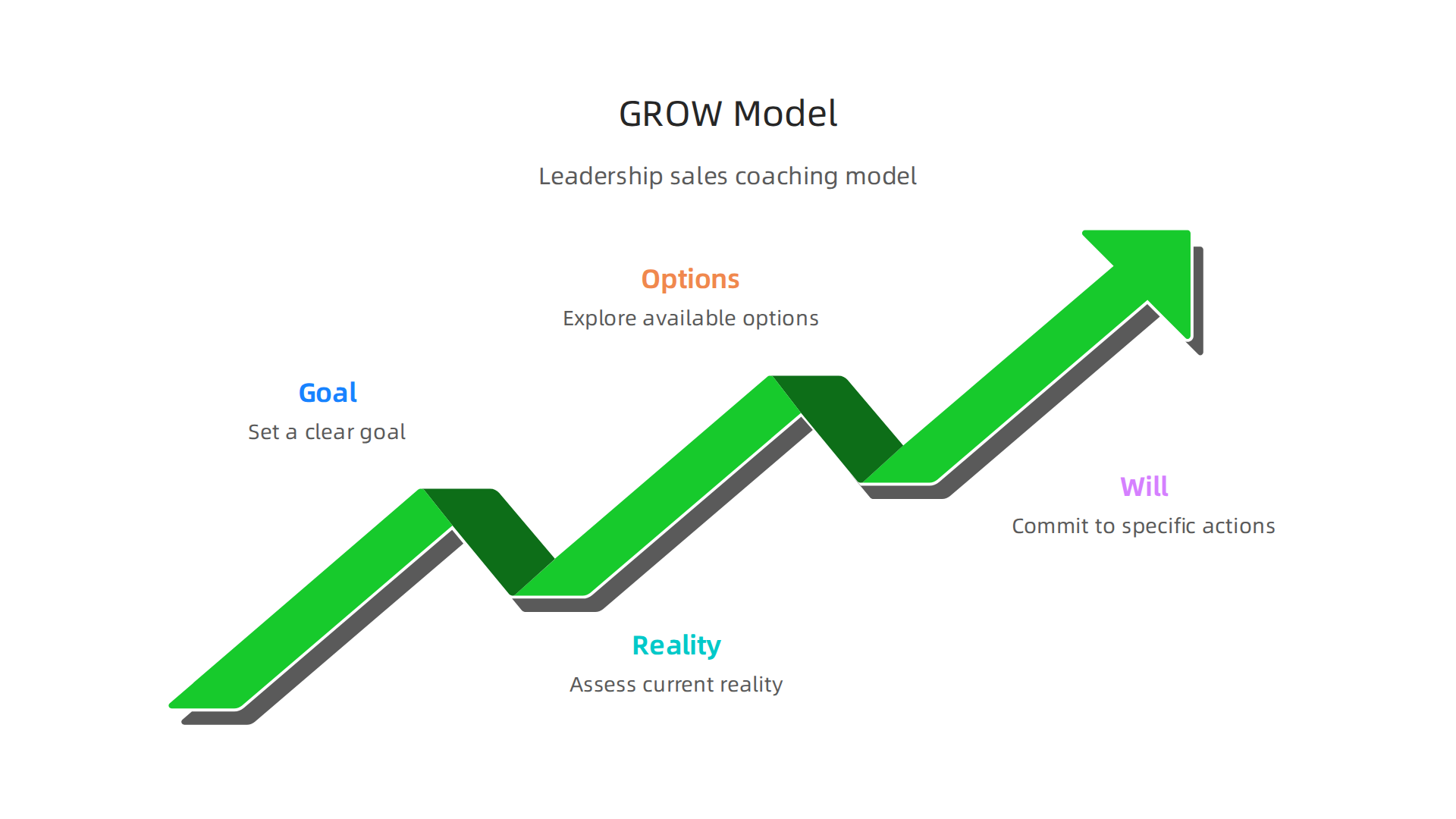
This structure turns vague improvement ideas into measurable progress.
Goal setting is the heart of any good coaching framework. Without a clear target, you are just practicing habits you already have. Accountability keeps you honest. When someone checks in on your progress weekly, you stay focused. Research shows that top performing sales teams in 2026 prioritize improving forecast accuracy and accelerating growth based on recent priorities for sales leaders.
That is exactly what good coaching does.
But here is the key. Coaching cannot be one size fits all. A new sales rep needs different support than a ten year veteran. Situational leadership adjusts your coaching style based on the person’s experience level. A beginner needs more direction and hands on guidance. A seasoned pro needs strategic partnership and space to execute.
The best coaching frameworks recognize this. They meet you where you are. That is why soft skills training that boosts sales performance works best when it is personalized. Programs built around your strengths and gaps deliver real growth.
If you want to see how this works in practice, look at the leadership coaching systems used by the companies featured in our guide to improving sales performance. The shift from solo hero to scalable systems is the defining move of 2026 according to industry leadership analysis.
A strong coaching framework does not just make you better today. It builds skills that last your whole career. That is the real payoff.
Setting Clear Goals and Metrics for Coaching Success
You now have the coaching framework. But how do you really know if it is working? This is where clear goals and smart metrics come in. Without them, leadership coaching is just guesswork.
Start with SMART goals. SMART stands for Specific, Measurable, Achievable, Relevant, and Time bound. A vague goal like "get better at objection handling" is hard to track. A SMART goal is "practice handling the price objection for 15 minutes each day this week." Now you have something real to measure. Research shows that when done well, coaching increases the effectiveness of your skills by giving you a clear repeatable process according to HBR. Many project management and leadership courses use this exact method.
Next, watch the right numbers. Most people only look at lagging indicators like monthly revenue. Those matter. But leadership coaching works best when you also track leading indicators. Leading indicators are actions you control today. Things like call quality, number of follow ups sent, or how smoothly you move through a discovery call. These small actions add up over time. These skills are strong transferable skills that help your whole career.
Finally, set a regular review cycle. Coaching is not a one time talk. It is a continuous process. Top teams in 2026 use a repeatable meeting cadence to check in on progress as recommended by Highspot. They document what was agreed on and follow up the next week. This builds accountability and keeps your leadership coaching on track.
This combination of clear goals, leading metrics, and consistent reviews is what makes coaching actually work. If you want to deepen these skills, start with the right language. Read our guide on leadership vocabulary that builds trust and drives sales performance. It pairs perfectly with these goal setting techniques.
Evidence-Based Coaching Techniques That Drive Results
You have your goals and your review cycle. But what do you actually do during a coaching session? That is where evidence based techniques come in. These are methods proven to work in real sales environments. And the best part? They also build transferable skills you can use in any leadership role.
Use situational leadership. This technique means you adapt your coaching style based on the person you are coaching. A new sales rep needs more direction and support. A seasoned rep needs more autonomy and challenge. Different people require different approaches at different times. Research shows that situational leadership is one of the five proven coaching models used by top teams in 2026 according to a comparison of sales coaching frameworks. Many project management and leadership courses teach this method because it works across industries.
Apply the SBI feedback model. Giving feedback is hard. The SBI model makes it easier. SBI stands for Situation, Behavior, Impact.
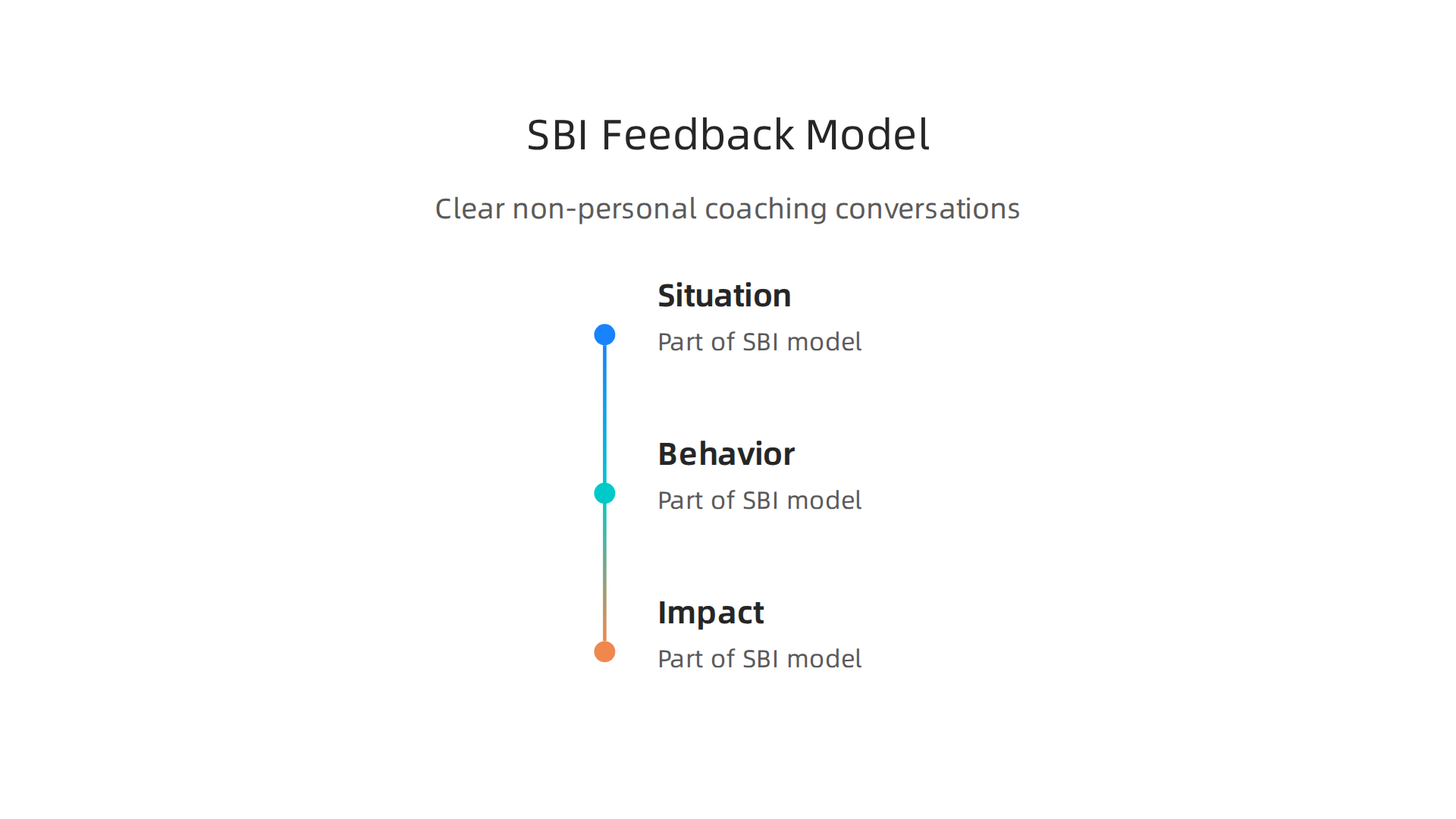
You describe the specific situation, the behavior you observed, and the impact that behavior had. For example: "During yesterday’s 2 PM discovery call with Acme Corp, you interrupted the client three times. That made them feel unheard and they hesitated to share their needs." This keeps feedback clear and nonpersonal. It does not attack the person. It focuses on facts. Effective sales coaching always starts with listening and then develops targeted strategies for improvement as recommended by Zendesk. The SBI model helps you do exactly that.
Make role playing more real. Traditional role playing feels fake. Real play is different. You use actual scenarios from recent calls or meetings. You replay the conversation and practice better responses in real time. This hands on practice builds muscle memory. When done consistently, it leads to large gains in performance. In fact, research shows that sales coaching can lead to an average increase of 88% in sales performance according to a 2026 guide on sales coaching techniques. Real play works because it mimics the real pressure of a live conversation.
These three techniques fit perfectly with the goal setting and metrics you already have in place. They turn your coaching from a talk into an action plan. If you want to develop these soft skills even further, check out our guide on soft skills training that boosts sales performance and ROI. It will help you communicate and coach with more impact.
How to Choose the Right Leadership Coach or Program
You now know the techniques that work. But finding the right person or program to teach them is the next big step. With so many options in 2026, how do you pick the one that actually helps you grow?
Start by checking the coach’s credentials. Look for coaches with ICF (International Coaching Federation) accreditation. This certification shows they follow professional standards. But credentials alone are not enough. You also want someone with real sales domain experience. A general business coach might not understand the pressure of a quarterly quota or the nuance of a discovery call. A coach who has been in your shoes will give you practical advice, not just theory.
Next, look at the program structure. The best programs offer personalized assessments before you start. A generic one size fits all plan does not work. You need a program that identifies your specific gaps and strengths first. Also look for programs that include follow up coaching sessions. A one day workshop is great, but real change happens with ongoing support. According to a 2026 guide on B2B sales training programs, the best options include follow up coaching sessions, access to online resource libraries, and manager toolkits that help you keep learning long after the course ends.
If budget is a concern, you still have great options. Group coaching programs cost less than one on one coaching. Online platforms also offer high quality training at a fraction of the price of in person programs. Some options like a 7 hour certification focused on sales enablement strategy are even free and can still give you valuable skills you can use right away.
The skills you gain from a good leadership coach go far beyond sales. You build transferable skills that help you in any leadership role. Some programs even offer a business development certification that opens doors to new career paths. For a detailed look at the top rated options, check out this comparison of the 15 best sales leadership courses for upskilling in 2026.
When you find the right fit, your investment pays for itself quickly. You get better at coaching your team, hitting targets, and building the kind of leadership coaching culture that drives long term success. If you want to dig deeper into how the right vocabulary can build trust on your team, read our guide on the leadership vocabulary that builds trust and drives sales performance. It is a natural next step after you find the right coach.
Integrating Leadership Coaching with Sales Tools and Technology
You picked a great coach and a solid program. But in 2026, great leadership coaching does not stop with the coach. To see real, lasting change, you need to connect your coaching with the tools your team uses every day. This is where the magic happens.

First, look at your CRM. A good CRM is more than just a contact list. It is a powerful tracker of coaching progress. You can use it to set coaching goals, track how often reps use new skills, and measure performance metrics over time. When coaching insights live inside your CRM, your training turns into daily action. If you are looking for the right system to start this process, check out this guide on how to choose the best CRM software for your sales growth.
Next, think about AI-powered coaching tools. These tools listen to your sales calls in real time. They do not just record them. They give you instant feedback on your talk to listen ratio, objection handling, and tone. According to a comparison of the best sales coaching software for SDR teams in 2026, the top platforms now use AI to pinpoint exactly where a rep needs help. This makes every coaching session more focused and useful.
Finally, tie everything together with a Learning Management System, or LMS. An LMS stores your training modules, playbooks, and certification paths all in one place. It ensures that the skills you learn in coaching are available for review anytime. This builds transferable skills that stick for any future project management and leadership courses. For a deeper look into how an LMS supports ongoing growth, read our breakdown of how an LMS corporate training platform solves sales training challenges.
When you combine great coaching with smart technology, you create a system that lasts. Your team builds better habits, hits bigger targets, and develops skills that work far beyond your current role. This is how you turn a one time training investment into a permanent competitive advantage.
Measuring the ROI of Leadership Coaching
After you have integrated leadership coaching with your sales tech stack, the natural next question is: Is it worth the investment? Measuring the return on investment, or ROI, does not have to be a guessing game. You can track clear numbers and softer wins to see the full picture.
On the hard numbers side, look at your key sales metrics. Things like quota attainment, win rate, and average deal size. These are the numbers that move the needle for your business. Studies show that executive coaching can deliver a return of 3 to 7 times the initial investment, according to the Executive Coaching ROI Statistics: Complete Guide (2026).
Some research even points to returns as high as 788% when you factor in productivity gains, as noted by a Metrix Global study cited by American University. Tracking metrics like win rate improvement over a few months shows you exactly how coaching changes results.
But the hard numbers are only half the story. Soft metrics matter a lot. For example, does your team feel more confident handling objections? Are they more satisfied with their roles? These feelings lead to lower turnover and better teamwork. According to the International Coaching Federation, performance metrics that include confidence and team satisfaction can be even more telling than pure financial measures. These are the transferable skills that people carry with them into future roles, whether they pursue project management and leadership courses or a business development certification.
When you combine hard data with soft wins, the long-term value of leadership coaching becomes clear. The initial cost might feel high, but the payoff often grows over time as your team builds better habits. For a deeper look at how soft skills training drives measurable ROI, check out our guide on soft skills training that boosts sales performance and ROI.
In short, measuring ROI is not complicated. Pick a few key metrics, track them before and after coaching, and listen to your team. The results will speak for themselves.
Summary
This article explains why leadership coaching is the missing link for many sales professionals and gives a practical roadmap to use coaching to boost quota attainment, confidence, and career progression. It shows how coaching closes the gap between tactical selling and strategic leadership by building transferable skills like emotional intelligence, strategic thinking, and influence. You’ll learn the coaching frameworks that work (GROW, situational leadership), evidence-based techniques to use during sessions (SBI feedback, realistic role play), and how to set SMART goals and track leading indicators. The piece also covers how to evaluate and choose coaches or programs with sales experience, how to tie coaching into CRM, AI tools and LMS platforms, and how to measure ROI using both hard sales metrics and softer engagement signals. By the end, readers will understand what to prioritize in their development, how to implement repeatable coaching processes, and how to demonstrate measurable business impact from leadership coaching.
Category
Sales Leadership
Written by

Published
May 8, 2026
More from the blog
Related reading




Next steps
Put the ideas from this article into practice
Explore related posts on the blog or reach out if you need a specific resource.

Sales Closing Course is a specialized affiliate content website focused on helping people learn and improve sales closing skills. The site publishes high-quality content about sales closing techniques, high-ticket sales training, objection handling, communication skills, closing frameworks, income p