
Sales Assistant Role Duties Skills and How to Advance Your Career

Introduction: Why Understanding the Sales Assistant Role Matters
Think "sales assistant" and you might picture someone stocking shelves or running a cash register. That picture is outdated.
Here’s the thing. The sales assistant role has changed a lot in recent years. What used to be mostly clerical work is now a strategic position that can make or break a sales team.

According to the Bureau of Labor Statistics, sales and related occupations cover a wide range of roles, from retail salespersons to wholesale and manufacturing sales representatives. The sales assistant job description today includes helping customers find products, managing point of sale systems, and even recommending items based on customer needs.
So why does this matter to you?
If you are looking for sales jobs, you need to know what a real sales assistant does. Many job seekers and even hiring managers misunderstand the role. That leads to bad matches. Someone expects to do basic admin work but ends up handling complex customer relationships. Or the opposite. They think they are just a clerk and miss out on building skills that could lead to bigger sales representative jobs.
The truth is simple. Understanding the role helps you aim for the right position and build the right skills. Whether you are starting out, switching careers, or running your own business, a clear picture of what a strong sales assistant does gives you an edge.
Let’s break down what this role really looks like today.
What Is a Sales Assistant? Definition and Core Purpose
A sales assistant is the person who makes sure the sales team can do their best work. Think of them as the backbone of the operation.

They handle the tasks that keep the sales process moving without interruption.
According to the sales assistant job description from Indeed, daily duties often include greeting customers, managing the cash register or point of sale system, and helping people find what they need. But the role goes much deeper than that.
A strong sales assistant also:
- Updates customer records in the CRM system
- Schedules follow up calls and meetings for the sales team
- Prepares quotes, invoices, and sales reports
- Coordinates between departments to make sure orders go through
- Answers customer questions about products and services
The Bureau of Labor Statistics groups sales assistants under the broader category of sales and related occupations. This includes retail salespersons, cashiers, and other workers who connect buyers with sellers. But here is the key difference. A sales assistant supports the process. They are not typically the person who closes the deal.
That is a big distinction.
A closer or sales representative focuses on the final handshake. They handle objections, negotiate terms, and ask for the sale. A sales assistant focuses on preparation and follow through. They make sure the closer has what they need to succeed. They keep the pipeline organized. They follow up on leads that did not convert yet. Without them, the sales machine slows down.
If you are a small business owner or solopreneur, you probably play the sales assistant role yourself. You do not have someone else to manage your leads or update your CRM. You do it all. That is why understanding this role matters even if you are not hiring for it. You can learn the best practices that professional sales assistants use and apply them to your own workflow.
Want to sharpen your sales skills even further? Check out our guide on mastering price negotiation to close deals with more confidence.
The core purpose of a sales assistant is simple. Remove friction from the sales process. When the team runs smoothly, the whole business wins. Whether you are the one assisting or the one being assisted, knowing how this role works helps you build better systems and stronger results.
Core Responsibilities: What a Sales Assistant Actually Does Daily
Now that you know what a sales assistant is, let’s look at what they actually do day to day. The tasks may sound simple, but they make a huge difference in how a sales team operates. Without these duties, the whole process would slow down or fall apart.
A sales assistant spends a lot of time managing data and keeping records clean. That means entering new leads into the CRM system, updating customer information, and making sure nothing gets lost. Monster’s job description mentions that assistants often input invoices, track bill-back data, and forward daily action summaries to managers. This work is the foundation for good sales forecasting and follow up.
Another big part of the role is handling inbound inquiries. When a potential customer calls, emails, or walks in, the sales assistant is usually the first person they talk to. According to Workable’s job description, sales assistants answer questions, recommend products, and keep customers happy. They also figure out whether the lead is a good fit. If yes, they route the person to the right sales rep. If not, they politely handle the situation themselves.
In a retail setting, the daily routine includes restocking shelves, organizing displays, adjusting signage, and making sure the store looks inviting. Berry Virtual’s article explains that sales assistants play a crucial role in maintaining the retail space. They also manage the cash register or point of sale system and help customers find what they need.
But the responsibilities don’t stop there. Sales assistants also prepare quotes, invoices, and sales reports. They schedule follow up calls and meetings for the team. They coordinate between departments so orders go through smoothly. And they often follow up with leads that didn’t close yet to keep them warm.
Here’s a quick breakdown of the most common daily tasks:
- Enter and update data in the CRM system
- Greet customers and handle their questions
- Manage the cash register or POS system
- Restock shelves and organize product displays
- Prepare quotes, invoices, and sales reports
- Schedule appointments and meetings for the sales team
- Route inbound leads to the right sales rep
- Follow up with past customers and warm leads
For small teams, the role expands even further. A sales assistant might do light prospecting, make cold calls, or help with customer follow up. That’s common in businesses where everyone wears multiple hats. If you’re a small business owner, you may already do all these tasks yourself. The key is to organize them well.
To make managing your leads and tasks easier, consider using a good CRM system. Check out our guide on choosing the best CRM software to find the right tool for your business.
Whether you work in a big company or run your own shop, understanding these daily duties helps you see why the sales assistant role is so valuable. They keep the machine running so closers can focus on closing.
Essential Skills for a Successful Sales Assistant
We just covered what a sales assistant does every day. Now let us talk about what makes someone great at it. The difference between an okay sales assistant and a great one comes down to a few key skills. If you want to grow your career in sales jobs, these are the areas to focus on in 2026.
First, you need strong communication. You have to write clear emails and speak confidently on the phone. Dayjob explains that sales assistant skills include both hard skills like CRM knowledge and soft skills like effective communication and active listening. Indeed adds that organization and adaptability are just as important. Customers can sense when you genuinely care. Salesmate confirms that empathy allows sales associates to provide personalized solutions. This builds trust and keeps customers coming back.
Second, technical skills are non negotiable. You will likely use CRMs like Salesforce or HubSpot every day. Knowing your way around Excel also helps. These tools help you stay organized and track your progress. If you want to improve your tech setup, take a look at our guide on choosing the best CRM software to see what tools can boost your daily workflow.
Third, a commitment to learning sets the best apart. The top sales assistants take initiative. They earn certifications to prove their skills. The CRO Club lists some of the best sales certifications to take in 2026, which can help you demonstrate your professional skills. And if you are new to the field, CourseCareers has great reviews of tech sales courses for beginners. Randstad USA also confirms that staying up to date with trending sales skills like selling techniques and product knowledge is vital right now.
A great sales assistant blends soft skills, tech skills, and a drive to learn. If you master these areas, you will become an invaluable part of any sales team.
Ready to take the next step? Check out our resources on achieving peak sales performance to build on your foundation and grow even further.
Sales Assistant Tools and Technology: Essential Software Stack
Having the right skills is only half the battle. To truly shine in sales assistant or sales associate roles, you need the right tools. The software you use every day can make you faster, more organized, and way more effective. Think of these tools as your superpowers in the world of sales jobs.
CRM Platforms: Your Command Center
The backbone of any sales operation is a CRM. Platforms like Salesforce and HubSpot are where you manage every interaction with a customer.
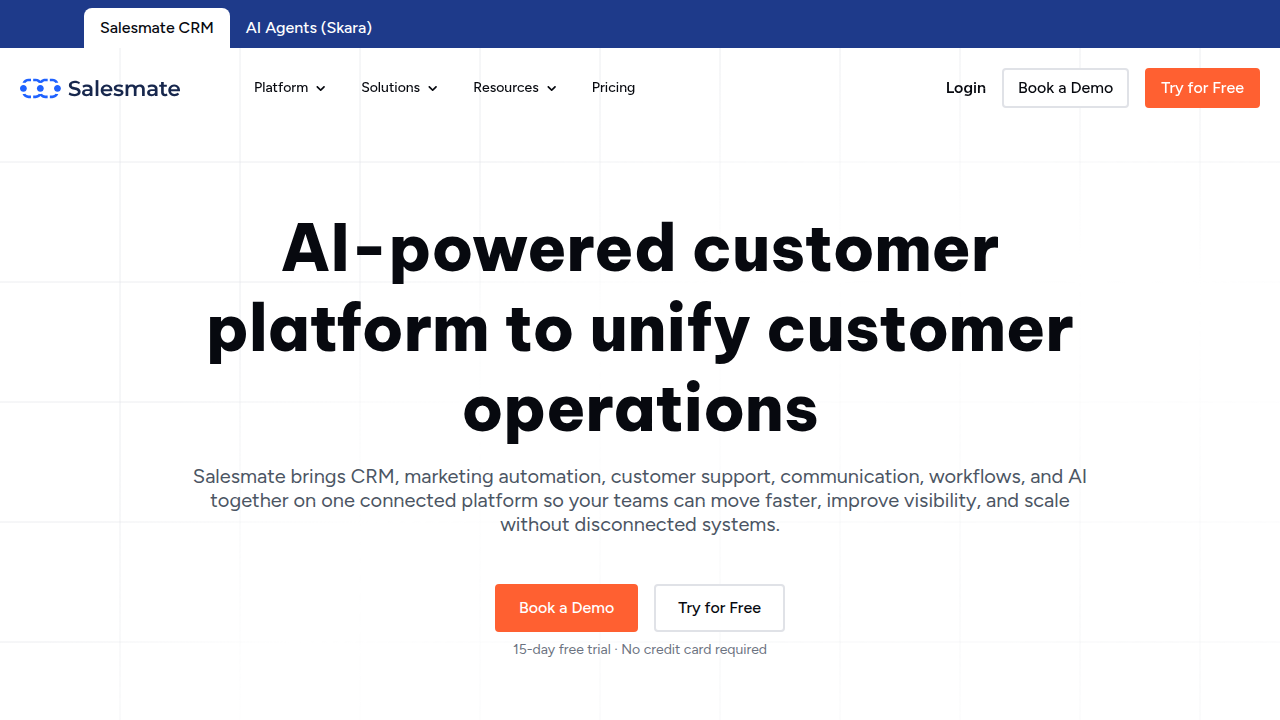
You track leads, update pipelines, and keep data clean. Good data hygiene is key. When your CRM is tidy, your team can trust the numbers and make better decisions. A solid CRM can predict revenue trends and set realistic targets. That is why choosing the right system matters so much. If you want to see what options work best, check out our guide on how to choose the best CRM software for 2026. The best platforms for sales reps use data to predict revenue and highlight trends, as noted by Ringy. And with AI now baked into many CRMs, you can automate updates and focus on building relationships instead of typing.
Communication and Productivity Tools: Stay Connected and Organized
You also need tools that keep you connected and on schedule. Slack and Zoom help you talk to teammates and clients fast. Calendly saves hours of back and forth by letting people book time with you automatically. Asana (or similar tools) helps you track tasks so nothing falls through the cracks. A good set of sales productivity tools can automate repetitive work and improve communication across the whole team. That is why iplum lists these tools as essential for 2026. When you have the right stack, you spend less time on admin and more time helping customers.
AI Tools: The New Assistant’s Assistant
Here is where things get exciting. AI tools are changing the game for sales assistants. Tools like Copilot for CRM or automated lead enrichment can handle data entry, score leads, and even draft follow up emails. Monday.com explains that AI sales assistant software automates follow ups and CRM updates so you can focus on closing deals. This is not about replacing you. It is about giving you more time to do the human work that really matters. Learning to use these AI tools is a smart way to stand out in sales representative jobs.
Building the right tool stack takes some thought. But once you have it, you will work smarter, not harder. And that leads to better results and more career growth. To keep improving your approach, check out how to achieve peak sales performance with leadership strategies that complement your tech setup.
Sales Assistant vs. SDR vs. Account Executive: Key Differences
So you are thinking about a career in sales. But here is the thing. The world of sales jobs is not one big title. It has layers. And the role you start in makes a huge difference in what your day looks like. Let’s break down three common roles so you can see which one fits you best.
Sales Assistant: The Support Engine
A sales assistant is the behind the scenes hero. Your job is all about administrative support. You handle data entry, schedule meetings, update the CRM, and keep the sales team organized. You do not usually do the actual selling. Instead, you make sure the people who do sell have everything they need. Think of it as the foundation. You learn how a sales team works without the pressure of hitting a quota. Many sales associate roles work the same way. They focus on supporting the team and preparing orders or paperwork. It is a perfect entry point if you want to learn the ropes.
Sales Development Representative (SDR): The Prospector
Now we move to the front lines. An SDR is all about outbound prospecting. You make cold calls, send emails, and find new leads. Your goal is to get people interested and book meetings for the closers. You are the first person a potential customer talks to. This role builds some serious skills. You learn how to grab attention, handle rejection, and qualify leads fast. According to Vskills, SDRs develop expertise in outreach and lead generation. It is a high energy job with clear metrics. And it is a common step toward bigger things.
Account Executive (AE): The Closer
Here is where the big deals happen. An Account Executive owns the full sales cycle. You take the qualified leads from the SDR and turn them into customers. You run demos, handle objections, negotiate pricing, and close the deal. Your focus is on revenue. According to Prospeo, AEs manage deal ownership from start to finish. This role pays more but comes with more pressure. You need strong communication and negotiation skills to succeed.
The Career Path: How They Connect
Here is the exciting part. These roles are not stuck in place. A common career path goes from sales assistant to SDR and then to AE or even sales leadership. Huzzle notes that SDRs often move to senior SDR roles and then to Account Executive positions. Others choose a different route like sales operations or management. The key is understanding where you want to go. If you love organizing and supporting, stay on the sales assistant track and grow into sales operations. If you want to earn more and talk to customers, aim for AE. Either way, knowing these distinctions helps you pick the right entry point for your goals. For more on how to keep growing, check out this guide on fueling sales growth with leadership mentoring to map your next move.
How to Become a Sales Assistant: Steps for Career Entry
Now that you know how the roles differ, you are probably wondering how to get started. Becoming a sales assistant is one of the most straightforward paths into the world of sales jobs. Here is what you need to do.
Education and Coursework
You do not need a college degree to land a sales assistant role. But taking some coursework in business, communications, or marketing can help. These classes teach you how to talk to customers and understand sales processes. According to Randstad USA, trending skills for 2026 include product knowledge and selling techniques in the broader sales field. A little formal education gives you a head start.
Key Skills to Build
Sales assistant jobs rely heavily on soft skills. You need strong organization, active listening, and clear communication. Salesmate highlights that empathy and active listening are primary skills for a sales associate. You also need hard skills like CRM proficiency. Many employers look for familiarity with sales tools. If you want to stand out, learn a popular CRM system. This guide on choosing the best CRM software can help you pick the right one.
Certifications Can Differentiate You
Certifications are a great way to show you are serious about sales representative jobs. The best certifications for a sales assistant often include CRM programs. Zippia notes that credentials like Certified Nurse Assistant are common, but for sales jobs you want certifications in HubSpot Sales Software or Salesforce Admin. These prove you can handle the tools. The CRO Club also lists top sales certifications for 2026 that demonstrate your professional skills. Getting one can make your resume shine.
Gain Experience Any Way You Can
You do not need a direct sales role to get experience. Start with internships, temp assignments, or customer service roles. These teach you how to work with people and stay organized. Indeed lists adaptability and problem solving as key skills for sales associates. You can build these in any job. Even a part time retail position helps. The goal is to show you can handle the support work that a sales team needs.
Now you have a clear path. Build your coursework, practice your core skills, earn a relevant certification, and get any related experience. Each step brings you closer to landing your first sales assistant role. From there, you can grow into bigger opportunities.
Career Advancement: From Sales Assistant to Sales Leadership
So you have your first sales assistant role. Congrats! But this is just the beginning. Many people see sales assistant jobs as a stepping stone. And it is. With the right moves, you can climb into higher roles like sales development representative (SDR), sales operations specialist, or account manager.

From there, sales representative jobs like account executive or even sales leadership are within reach.
What separates those who stay stuck from those who move up? It often comes down to two things: data analysis and process improvement. As a sales assistant, you already support the team. Start digging into the numbers. Learn to spot trends. Understand which sales activities lead to closed deals. This skill is gold for moving into sales ops or management roles. According to Ringy, the best CRM for sales reps leverages data to predict revenue and identify trends. If you master your CRM, you become invaluable.
Salary growth can come fast when you focus on the right skills. Early career acceleration often comes from mastering CRM and communication. When you can handle the data side and talk to customers with confidence, you open doors. Many sales professionals double their income within a few years by moving into account management or leadership.
To build leadership skills early, consider exploring the sales leadership mentoring resources available online. They show you how to grow beyond the assistant role and develop a mindset for managing teams. You can also learn from the transformational leadership model to understand how great sales leaders inspire their teams.
The path from sales assistant to sales leadership is real. It takes curiosity, a willingness to learn data skills, and a focus on building relationships. Start today by taking on more responsibilities. Ask to learn new tools. Volunteer to help with reporting. Each small step builds your reputation and prepares you for the next role. Your future as a sales leader starts now.
Common Challenges Faced by Sales Assistants (and How to Overcome Them)
Let’s be real. The path from sales assistant to sales leadership sounds great on paper. But your day to day can feel very different. You might face some tough challenges. It’s not all strategy and big wins. Sometimes, you feel stuck with small tasks. Here is the thing though. Every challenge is a chance to learn. Let’s look at the biggest hurdles sales assistants face in 2026 and how to beat them.
Challenge 1: The "Just a Secretary" Feeling
One of the hardest parts of being a sales assistant is the amount of paperwork. You update spreadsheets. You enter data. You schedule meetings. It can feel thankless. According to a sales assistant job description from Monster, tasks like maintaining databases and compiling action summaries are core parts of the job.
Solution: Stop treating this work as simple admin. See it as data management. Learn to automate the boring parts. Use your CRM tools to batch tasks. Prioritize what helps the team the most. When you master the data, you become the person the team relies on. To make this easier, check out this guide on how to choose the best CRM software to reduce manual work.
Challenge 2: Learning Multiple Tools Very Quickly
You walk into a new role, and suddenly you have to learn three tools at once. A new CRM. A prospecting tool. A scheduling app. The experienced reps expect you to know them on day one. It can be stressful. The Workable sales assistant job description shows that keeping customer records and providing feedback is key. You are the glue that holds the team together.
Solution: Use the free training that vendors offer. Most have short online courses. Use your company’s internal guides or wiki. Become the expert on the tools. This is a fast way to move into roles like sales operations later. Being proactive with your learning is a big part of the transformational leadership model used by top managers.
Challenge 3: Proving Your Value Without Closing Deals
Sales culture loves the big close. But you do not close deals as a sales assistant. So how do you show you matter? This is a huge challenge for many people in sales jobs. You might feel like your work goes unnoticed.
Solution: Start documenting your wins. Did you clean up the CRM so the team could run better reports? Did you save a rep five hours of research time? Write it down. Managers notice when pipeline hygiene gets better. This builds your case for moving up. It shows you are ready for higher sales representative jobs that directly impact revenue.
Facing these challenges head on is what builds the skills you need for the next step. You are not just an assistant. You are the person the team counts on every day. Keep solving these problems, and your next role will come.
Conclusion: Your Action Plan for Mastering the Sales Assistant Role
So where does this leave you? The sales assistant role is not a dead end. It is a launchpad. Every spreadsheet you clean, every meeting you schedule, and every tool you master builds your foundation. You are the person who keeps the sales engine running. That is real power.
Your key takeaway: Focus on skill development. Learn your CRM inside and out. Practice clear communication. Get good at managing processes and priorities. These are the exact skills that top sales leaders look for. If you want to take the next step toward roles like Account Executive, check out this SDR career path guide from monday.com for a clear breakdown of how sales assistants and SDRs move up.
Your next steps are simple. Start today.
- Refine your resume. Highlight the data management, tool expertise, and process wins you achieved. Use words like CRM optimization or pipeline management.
- Learn the tools. If your company uses a CRM you haven’t mastered, make a plan to learn it this week. Consider reading about how to master price negotiation to add negotiation skills to your toolbelt for future roles.
- Network with hiring managers. Connect with sales leaders on LinkedIn. Ask about what they look for in a sales representative job candidate. Show them you are proactive.
You have the skills. You have the drive. Now go get that next role. The sales world needs people like you.
Summary
This article explains how the modern sales assistant role has evolved from clerical work into a strategic support position that keeps sales teams running. It covers the role’s core purpose, typical daily duties—like CRM management, lead routing, quotes and POS work—and the essential soft and technical skills you need to succeed. The guide outlines the best tools and CRM choices, explains differences between sales assistants, SDRs and account executives, and gives a clear step-by-step path to enter the field including relevant certifications and experience. You’ll learn how to use data and automation to prove your value, overcome common challenges, and accelerate toward higher-paying sales roles or leadership. The article ends with practical next steps you can take today to refine your resume, learn key tools, and position yourself for promotion.
Category
Sales Careers
Written by

Published
April 27, 2026
More from the blog
Related reading





Next steps
Put the ideas from this article into practice
Explore related posts on the blog or reach out if you need a specific resource.
Sales Closing Course is a specialized affiliate content website focused on helping people learn and improve sales closing skills. The site publishes high-quality content about sales closing techniques, high-ticket sales training, objection handling, communication skills, closing frameworks, income p