
How Public Relations Recruiters Turn Your Sales Skills into Communications Career Wins

Introduction
Do you work hard in sales but still feel stuck? You put in the hours. You make every call. You follow up with every lead. But your results stay flat, and your career isn’t moving forward. You are not alone.

Sales roles are changing fast in 2026. According to recent data, the skills that lead to success in sales have shifted meaningfully. What worked a few years ago may not work today. Many sales professionals feel frustrated because they keep doing the same things but expect different results.
Here is the thing. Your communication skills, your ability to build relationships, and your strategic thinking are more valuable than you realize. Those talents are exactly what public relations recruiters look for when filling communications jobs.
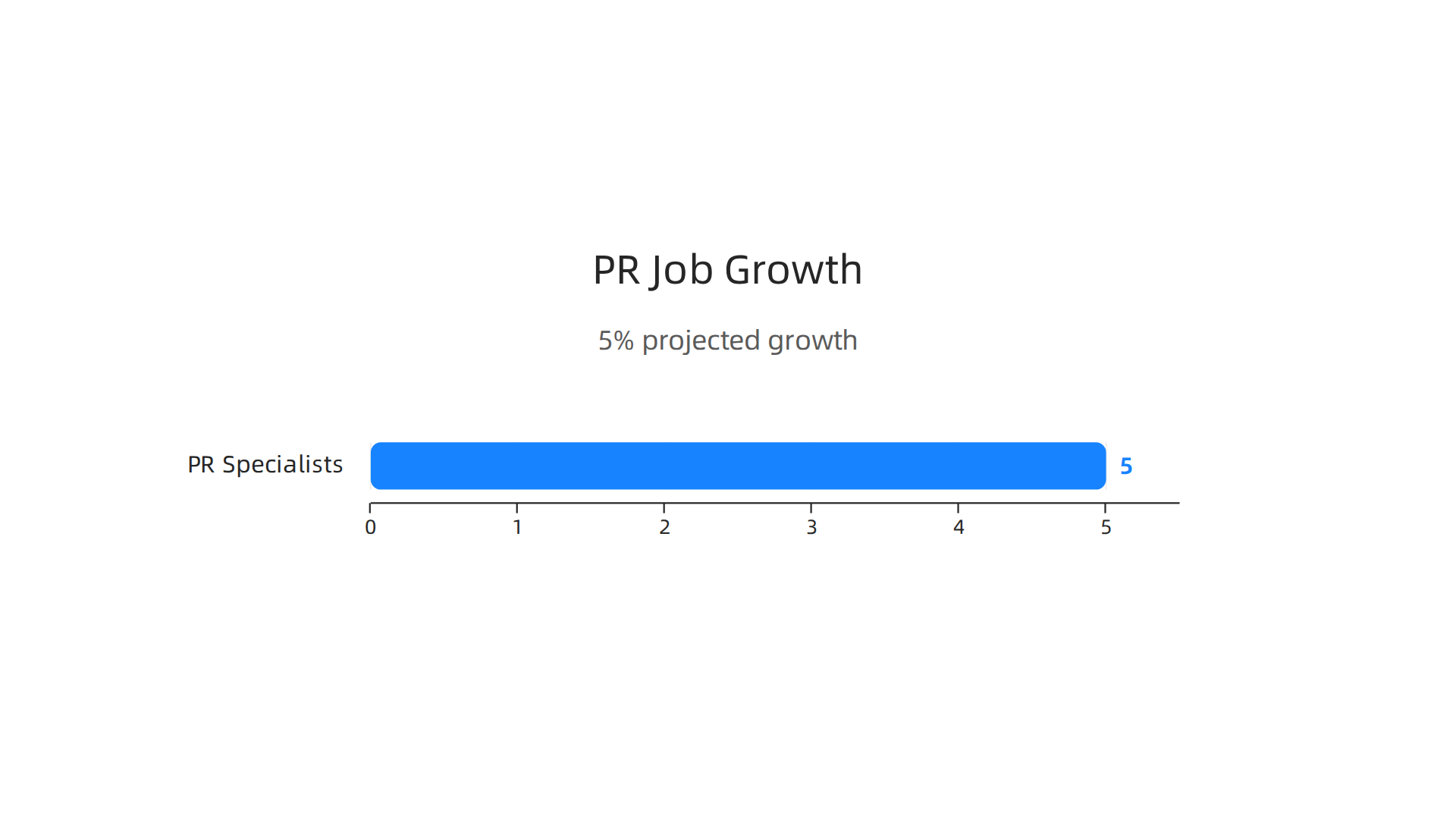
Public relations recruiters specialize in placing talent in communications roles. They connect professionals with positions that value strong storytelling, media relations, and brand strategy. And the PR industry is growing. The U.S. Bureau of Labor Statistics projects that employment of public relations specialists will grow 5 percent from 2024 to 2034. That is faster than the average for all occupations.
So why does this matter to you? Because public relations jobs need people who can connect with others, handle objections, and think on their feet. Sound familiar? Those are the same skills you use every day in sales.
Working with public relations recruiters can open doors to roles that offer better training, more stability, and stronger career growth. These recruiters understand the landscape of communications jobs and can match your sales background with the right opportunities.
In this article, you will learn exactly how to use public relations recruiters to overcome your sales pain points. We will cover what these recruiters do, how to find them, and how to position yourself as the candidate they want. If you want a career that values your skills and helps you grow, this is your next step.
Why Sales Professionals Need PR Recruiters
You might wonder why you need a middle person. Why not just apply for public relations jobs on your own? Here is the reality. The best opportunities never make it to job boards.
Public relations recruiters work behind the scenes. They build direct relationships with companies that prefer to keep their hiring quiet. In fact, current recruitment trends show that more businesses rely on specialized recruiters to fill critical roles before they ever post a public listing. This hidden job market is exactly where you want to be.
Think about what happens when you apply cold. Your resume lands in a pile of hundreds. The hiring manager scans it for PR keywords like "media relations" or "press releases." They see your sales background and move on. They miss the real value you bring.
A PR recruiter changes that completely. They know which companies need people who can handle pressure, manage tough conversations, and build trust fast. Those are your daily tasks in sales. The recruiter helps you translate your experience into the language PR hiring teams understand.

Instead of "overcame objections 50 times per week," you say "managed stakeholder concerns through active listening." Instead of "closed $200K in quarterly revenue," you say "secured strategic partnerships and maintained key client relationships."
That reframing is powerful. According to 2026 PR industry data, communication skills and relationship building are exactly what employers rank as top priorities when hiring for communications jobs. Your sales background gives you a genuine edge.
Working with public relations recruiters also saves you massive time. You stop scrolling through hundreds of irrelevant job posts. Instead, the recruiter matches you with roles that fit your experience and career goals. They present you to companies that are serious about hiring. You skip the crowded applicant pools and go straight to meaningful interviews.
Want to sharpen your communication skills before reaching out to a recruiter? Our guide on soft skills training that boosts sales performance can help you frame exactly what you already do well.
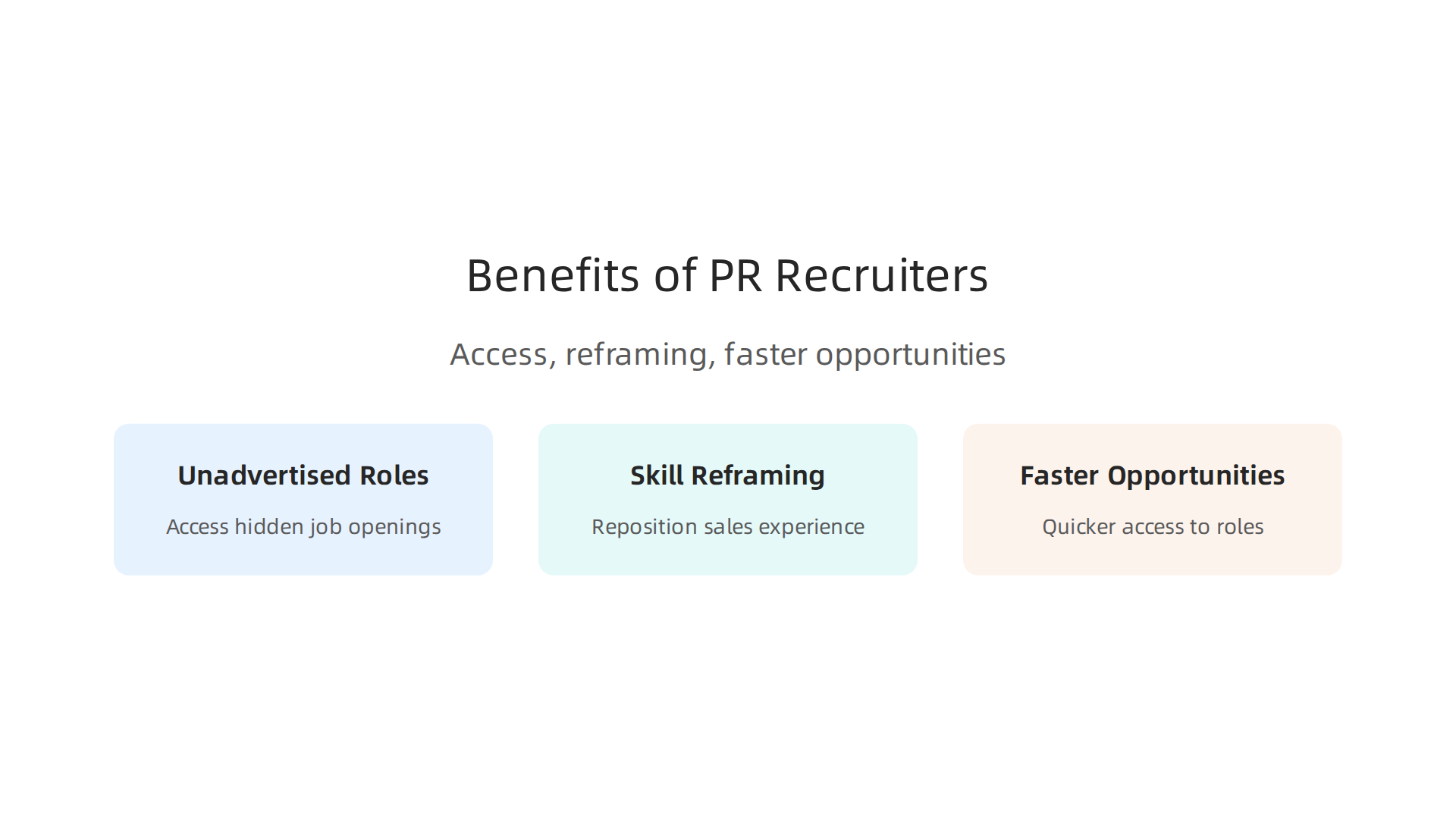
Here is the simple truth. Public relations recruiters give you three things every busy sales professional needs: access to unadvertised roles, help reframing your skills, and faster access to higher quality opportunities.
That combination is hard to beat when you are ready to make a real career move.
What to Look for in a Top PR Recruiter
Not every recruiter is worth your time. Some just blast your resume to every company they know. That does not help you. You need a partner who understands sales and knows the PR world.
Here is what to look for when choosing from public relations recruiters.
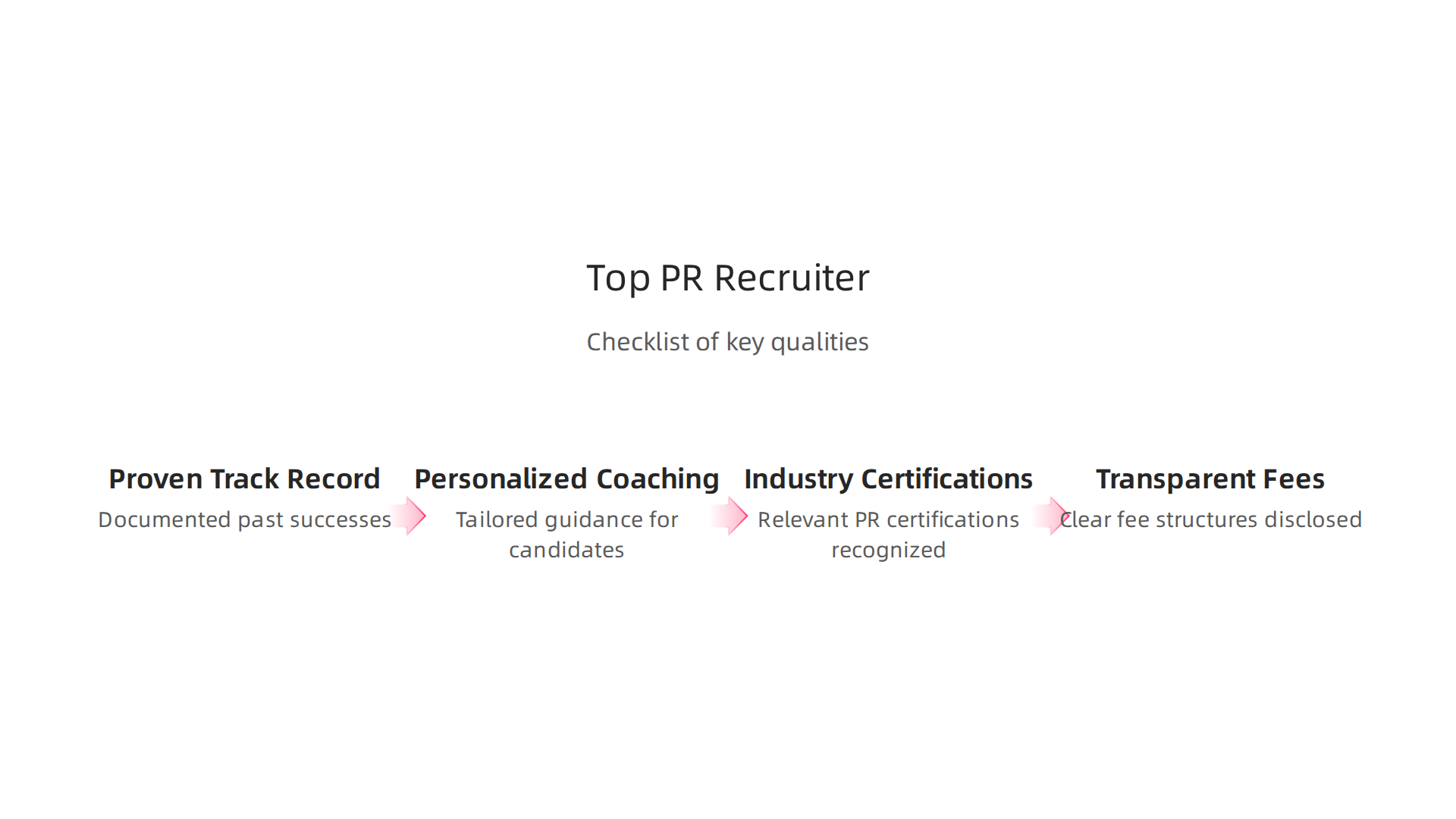
Look for a proven track record. Ask them directly. Have they placed someone from sales into public relations before? If they only work with entry level candidates or stick to one industry, they might not understand your unique value. You want a recruiter who has helped sales professionals land communications jobs across tech, healthcare, finance, and other fields. That breadth of experience matters.
Look for personalized coaching. A top recruiter does more than send job links. They help you reframe your sales experience. Remember how we talked about objection overload? A great coach helps you turn that into a strength like crisis communication or stakeholder negotiation. They help you rewrite your resume so hiring managers see a PR pro, not just a salesperson. Our guide on the leadership vocabulary that builds trust and drives sales performance can help you sound like a natural fit during those conversations.
Look for industry certifications. This is a big one that many people skip. Check if the recruiter or their agency is connected to respected groups like the Public Relations Society of America (PRSA). Some recruiters hold the Accreditation in Public Relations (APR) credential. That shows they take the field seriously and follow ethical standards. You can learn more about the APR certification on the PRSA website to understand what it really means.
Look for transparent fee structures. You should never pay a recruiter to help you find work. Legitimate agencies are paid by the hiring company, not you. If a recruiter asks for money upfront or charges you a fee to see public relations jobs, that is a red flag. Walk away.
Finding the right public relations recruiter takes a little effort. But when you find one with the right track record, real coaching skills, proper credentials, and honest practices, your career transition becomes so much smoother.
How to Prepare Your Sales Resume for PR Recruiters
You found a great public relations recruiter who understands sales. Now you need a resume that proves you belong in PR. Here is the thing: your sales resume will not cut it as is. Hiring managers and ATS systems look for different things in communications jobs.
You need to reframe everything.

Start by highlighting transferable skills. Your sales experience is full of PR gold. Closing deals is basically the same skill as pitching a story to a busy journalist. Both require persistence, timing, and the ability to read the room. Cold calling maps directly to media outreach. You already know how to handle rejection and keep going. Content marketing and campaign management are also strong keywords to include, as shown in this list of top resume keywords for 2026. Here is how to reframe common sales tasks:
| Your Sales Experience | How It Translates to PR |
| :— | :— |
| Closed deals worth $500K | Secured media placements and partnerships valued at $500K |
| Managed 50+ cold calls daily | Conducted 50+ media outreach contacts per day to journalists |
| Negotiated contracts | Negotiated crisis communication messaging and stakeholder agreements |
| Handled customer objections | Managed media inquiries and crisis communication responses |
Use strong action verbs like "Presented" and "Negotiated" instead of "Responsible for." This resume power words guide recommends words that make recruiters call you.
Quantify everything to show communication impact. Numbers speak louder than titles. Instead of saying "built relationships with clients," say "increased pipeline by 35% through strategic stakeholder communication." Instead of "managed leads," say "converted 40% of cold leads into qualified opportunities through persistent follow up." Public relations jobs are about results. Show yours clearly.
Tailor your resume with PR specific keywords. This step is crucial for beating ATS filters. Studies show that ATS systems in 2026 look for very specific terms. Your resume needs to include phrases like "media relations," "crisis communication," "stakeholder engagement," and "event publicity." This list of communications ATS keywords covers media pitching, press kit development, influencer partnerships, and more. The idea is to mirror the language from the public relations jobs you are applying to.
You can even take it a step further by using the leadership vocabulary that builds trust and drives sales performance to describe your experience in PR terms. That kind of reframing makes you sound like a natural fit.
A well prepared resume makes it easy for your PR recruiter to place you. They have the connections. You need to give them the story.
Top Questions to Ask PR Recruiters Before Signing On
Your resume is ready. Now you are talking to a public relations recruiter. But before you say yes to working with them, you need to ask the right questions. Not all recruitment partners are equal. Some specialize in your target field. Others focus on general communications jobs and may not know the nuances of your industry.
Here are three questions to protect your time and career.
1. How strong is your network in my target industry?
You want a recruiter who already has relationships in the sector you are aiming for. Ask them directly. "Do you place candidates in tech PR, healthcare PR, or consumer goods PR? Can you name three agencies or companies you have worked with in that space?" A good recruiter will have specific examples. If they give vague answers, that is a red flag. The PR industry values specialization. The more targeted their network is, the faster you will move into the right public relations jobs.
At the same time, check if they encourage professional development. For instance, the Public Relations Society of America offers an Accreditation in Public Relations (APR) that demonstrates mastery of strategic communications. A recruiter who knows about programs like this likely understands the standards of the field.
2. How do you support candidates with sales backgrounds making this career shift?
Your sales background is an asset, but only if the recruiter knows how to position it. Ask if they offer interview coaching specifically for PR roles. This is a huge red flag if they say no. You need help translating closing tactics into pitching language. You need guidance on how to talk about media outreach versus cold calling.
A recruiter who invests in your preparation shows they want you to succeed. They should be ready to review your answers, highlight your transferable skills, and even suggest targeted training. If you need to fill gaps in your skillset, consider resources like soft skills training that boosts sales performance.
These programs cover communication techniques that apply directly to PR.
3. Is the fee structure employer paid or candidate paid? Are there any upfront costs?
This is a simple but crucial question. Most legitimate recruiters are paid by the hiring company. You should not have to pay any fees to get placed. If a recruiter asks you for money upfront, walk away. That is not how ethical recruitment works in the communications jobs space.
Some PR recruiters may also offer membership in professional organizations as part of their service. For example, PRSA membership provides access to networking events, job boards, and continuing education. If the recruiter encourages you to join such groups, check if they are affiliated and if there are any hidden costs.
Asking these questions helps you pick a recruiter who genuinely wants to place you in a long term role. You made a great resume. Now find the right partner to get it in front of the right people.
Common Mistakes When Working with PR Recruiters (and How to Avoid Them)
You asked the right questions. You found a recruiter who seems solid. But the work doesn’t stop there. Even good partnerships can go sideways if you stumble into common traps. Here are three mistakes salespeople often make when chasing public relations jobs through recruitment partners, plus simple ways to dodge them.
Mistake 1: Not connecting your sales background to PR
Most public relations recruiters will see your resume and think "sales." But they may not automatically see "media pitching" or "stakeholder relations." If you do not help them make the connection, they might send you mismatched opportunities. The result is wasted interviews and frustration.
How to avoid it: Work with your recruiter to craft a short narrative that translates your closing skills into PR language. For example, cold calling becomes prospecting for media opportunities. Handling objections becomes crisis prep. The clearer you make this link, the better your matches will be. Many PR firms actually value sales backgrounds, but only if the recruiter can pitch you correctly. Consider brushing up on soft skills training that boosts sales performance to strengthen that pitch even more.
Mistake 2: Relying on a single recruiter
One recruiter is a start, but not a finish. The communications jobs market is wide. Different recruiters specialize in different niches. If you work with only one agency, you limit your options to their specific network. You could miss a perfect role at a boutique PR firm that uses another recruiter.
How to avoid it: Engage two or three recruitment specialists who focus on different corners of the industry. This increases your exposure without extra effort on your part. Just keep each one informed so they do not send the same application. This approach also helps you compare their communication styles. According to industry insights, skipping feedback and moving too slowly are common traps when hiring PR pros. Working with multiple recruiters keeps the process moving faster.
Mistake 3: Showing up unprepared for PR-specific interviews
Sales interviews and PR interviews are not the same. A PR recruiter might ask you how you would handle a media crisis, craft a press release, or measure campaign success. If you walk in without practicing these scenarios, you look like an amateur.
How to avoid it: Ask your recruiter for a mock interview focused on PR questions. Do not assume your charm and sales stories will carry you through. Being unprepared is one of the biggest turnoffs recruiters see, according to SHRM research. Prepare concrete examples that relate to public relations jobs. Talk about a time you managed a client crisis or launched a product story. If you need to sharpen your communication style, explore resources on achieving peak sales performance that also apply to media relations.
Avoid these three mistakes and you will stand out as a candidate who gets it. Your recruiter will respect your preparation, and you will land stronger offers.
Red Flags to Watch Out For When Choosing a PR Recruiter
So you know how to work well with a recruiter now. But here is the hard truth: not every public relations recruiter out there deserves your trust. The job market in 2026 is full of opportunities, but also full of people looking to take advantage of you. According to the FTC, scammers are always “hiring” but they really just want your money or personal info. So before you hand over your resume or time, watch for these warning signs.
Red flag 1: They ask for upfront fees or an exclusive contract with no guarantee
A legitimate public relations recruiter gets paid by the company that hires you, not by you. If someone asks you to pay a fee just to get considered for public relations jobs, stop right there. This is one of the most common signs of a recruitment scam. The same goes for exclusive contracts that lock you in without promising any real results. Reputable agencies don’t need your money upfront. If they pressure you to pay, walk away. The FTC’s guide on job scams makes it clear that any request for payment before you land a job is a major warning sign.
Red flag 2: They rush you or don’t understand the industry
A good recruiter wants you to find the right fit, not just any fit. If they push you to accept an offer quickly, they might be more interested in their commission than your career. Vague job details or a recruiter who can’t explain what the role really involves are also red flags. According to Guardio’s 2026 scam report, rushed decisions and offers that come through text or social media DMs are classic scam tactics. On top of that, if the recruiter knows little about communications jobs or the specific PR niche you’re targeting, they probably don’t have the network to help you. Trust is everything in this business. You can build that trust by learning to communicate clearly, which is exactly what a resource like The Leadership Vocabulary That Builds Trust can teach you.
Red flag 3: No online presence or bad reviews
Before you agree to work with any recruiter, do a quick background check. Look them up on the Better Business Bureau, read Google reviews, and search for complaints. Scammers often have no real track record. The FTC Consumer Alert from March 2026 reminds us that reporting these scams helps others avoid them. If you can’t find a single review or the ones you find are terrible, keep looking. A legitimate recruitment specialist will have a trail of happy candidates.
Bottom line: a few minutes of checking now can save you months of headache. Protect your time, your money, and your career. Work only with public relations recruiters who are transparent, knowledgeable, and free to you.
How to Build Long-Term Relationships with PR Recruiters
Okay, so you dodged the red flags and found a solid public relations recruiter. Good work. Now, here is a secret most people miss. A good recruiter is not just for one job hunt. They can be a career partner for years. But you have to build that relationship the right way.
Keep them updated, even when you are happy.
Do not wait until you are desperate to call. Send a short message every few months. Say something like, "Hi, I am still enjoying my current role, but I wanted to stay on your radar." This keeps your name on their list. When a big opportunity comes up later, they will call you first. SHRM warns that being unprepared or inauthentic triggers alarm bells for recruiters. So make your check-ins genuine and specific.
Refer great people to them.
If you know someone looking for public relations jobs or communications jobs, send them to your recruiter. This builds huge goodwill. According to IQ Partners, one of the biggest mistakes candidates make is only applying for jobs online. Use your network too. When you send good people their way, you become a valuable partner, not just another applicant in their database.
Engage with their content and events.
Does your recruiter post on LinkedIn? Do they host webinars or attend networking meetups? Show up. Make a thoughtful comment on their posts. Go to their events. This takes you out of the faceless candidate pool and makes you a real person. It is one of the simplest ways to stand out in the recruitment world.
Building these relationships takes real communication skills. You can learn and sharpen these skills with the right training. When you communicate well and confidently, networking with public relations recruiters feels natural and easy. And that opens more doors for your career than any single application ever could. Check out resources on soft skills training that boosts sales performance to strengthen your professional presence today.
Conclusion: Turn Your Sales Struggles into a Communications Career Win
Your sales background is not a weakness. It is your hidden superpower when you start talking to public relations recruiters.

You already know how to communicate under pressure, handle objections, and build trust fast. These are exactly the skills the PR industry is hunting for in 2026.
The numbers prove it. The Bureau of Labor Statistics reports that PR specialist jobs will grow 5 percent from 2024 to 2034. That is faster than most careers. And here is the thing. The latest recruitment trends for 2026 show that companies are prioritizing candidates with real communication experience. Your sales career gave you that experience every single day.
You now have a clear plan. Prepare your resume to highlight your sales wins as communication wins. Ask the smart questions we covered to find the right public relations jobs. And steer clear of the common pitfalls that trip up most applicants.
But none of that matters if you do not take the next step.
Here is your action item for today. Find three public relations recruiters from verified directories. Reach out to them this week. Tell them about your sales background and your interest in communications jobs. Start a real conversation. The recruitment landscape in 2026 rewards people who make personal connections.
Your sales struggles built your resilience. Your sales wins built your persuasion skills. PR firms need both right now.
So go ahead. Send those messages. Your next career move is closer than you think.
If you want to polish your professional communication before you reach out, read this guide on the leadership vocabulary that builds trust and drives sales performance. It will help you sound confident and clear from your very first message to a recruiter.
Summary
This article shows sales professionals how to use public relations recruiters to pivot into communications roles and accelerate their careers. It explains why PR recruiters matter—because they access unadvertised jobs, reframe your sales experience for hiring managers, and save you time—and describes what top recruiters do and how to find them. You will learn specific resume changes, PR-focused keywords, and examples of how to translate sales achievements into media and stakeholder outcomes. The guide lists the right questions to vet recruiters, common mistakes to avoid, and clear red flags that signal scams or poor partners. It also explains how to build ongoing relationships with recruiters so they become long-term career allies. By following the steps here, you’ll be ready to contact multiple vetted PR recruiters, communicate your value in PR language, and increase your chances of landing better communications roles.
Category
Career Transition
Written by

Published
May 1, 2026
More from the blog
Related reading





Next steps
Put the ideas from this article into practice
Explore related posts on the blog or reach out if you need a specific resource.
Sales Closing Course is a specialized affiliate content website focused on helping people learn and improve sales closing skills. The site publishes high-quality content about sales closing techniques, high-ticket sales training, objection handling, communication skills, closing frameworks, income p